WED 03 DEC - SAT 13 DEC
INFO
REVIEWS
CAST & CREATIVES
PHOTOS
INFO
“You leave convinced that this is one of Friel’s finest plays.”
Michael Billington, Guardian
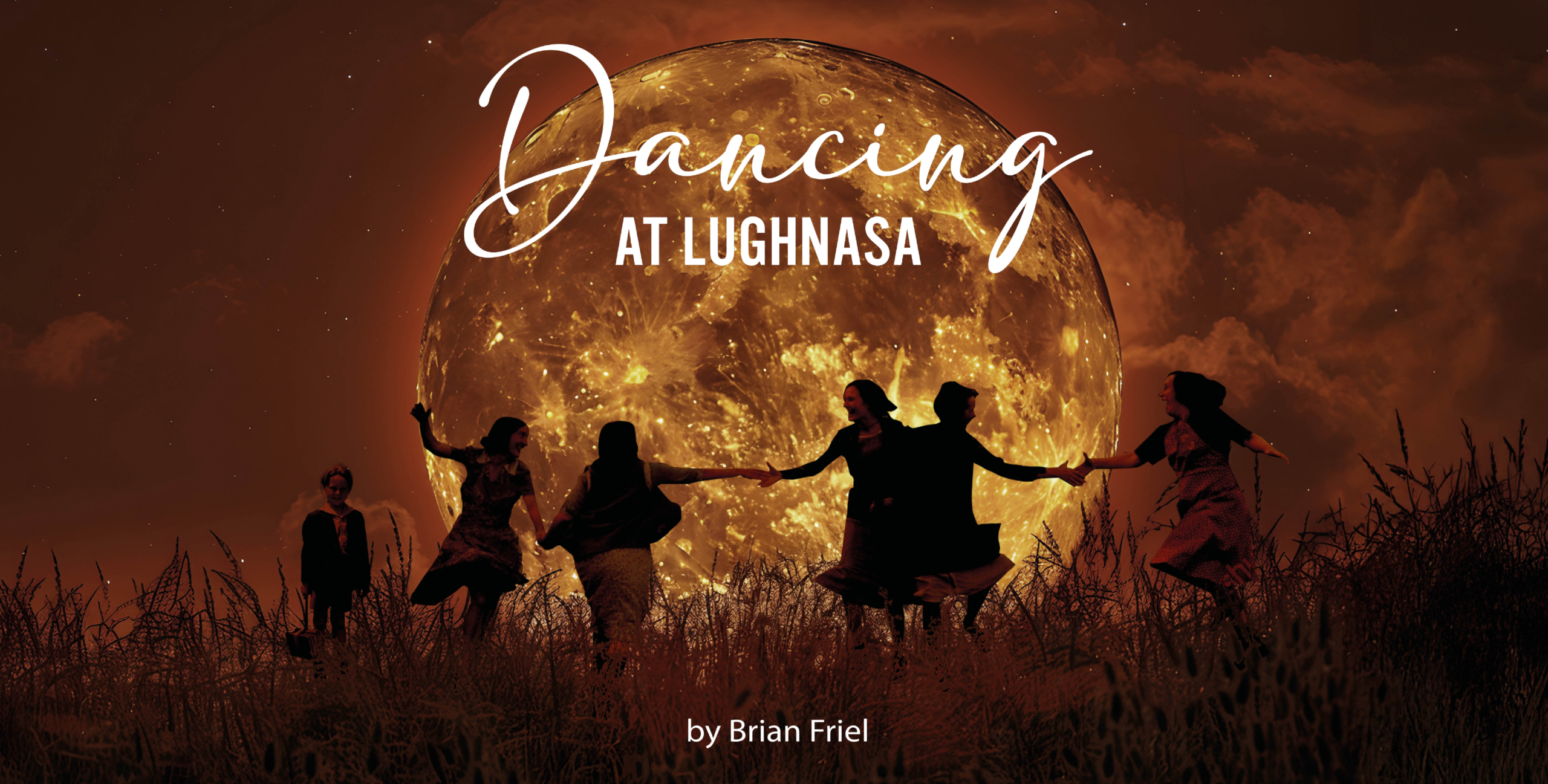
Following Brian Friel’s award-winning play Translations performed at the Loft last year to great acclaim, we are now staging his greatly loved 1990 play Dancing at Lughnasa.
This semi-autobiographical play, set in 1936 in the Ireland of his boyhood, features five unmarried sisters based on his mother and aunts.
It is Harvest time in County Donegal, 1936.
Outside the village of Ballybeg, the five Mundy sisters battle poverty to raise seven-year-old Michael and care for their brother, ‘Uncle’ Jack.
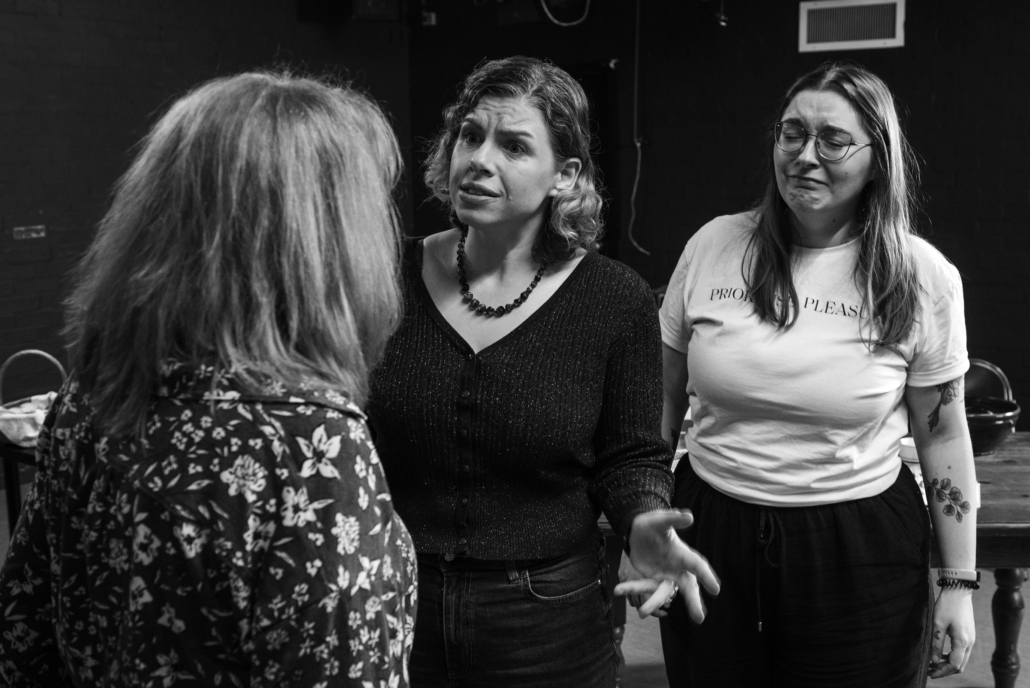
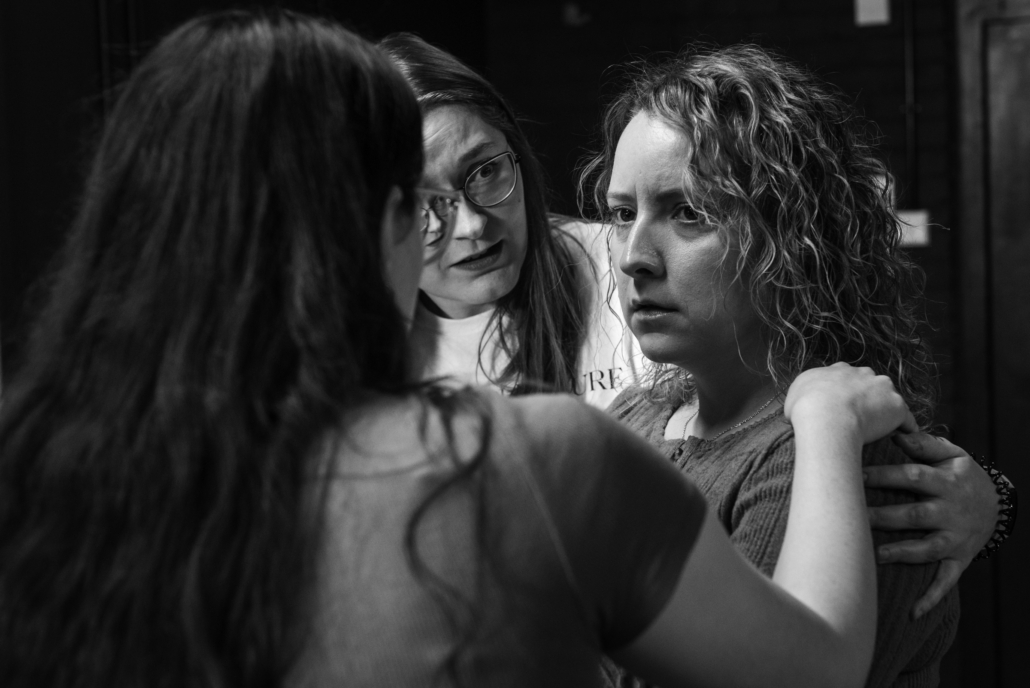
During the Festival of Lughnasa, Pagans and Christians meet and collide. The sisters fight each other, love each other, dance together, yearn and survive.
Brian Friel’s Olivier Award-winning play, most recently performed in a revival at The National Theatre in 2023, is an astonishing evocation of a family’s world on the brink of change.
Friel’s artful blend of nothing and everything happening at once is finely calibrated here. Brian Friel is one of the finest writers and this is a showcase for his skill. We love to bring his work to the Loft stage.
This amateur production is presented by arrangement with
Concord Theatricals Ltd on behalf of Samuel French Ltd.
Running Time: 2 hours 5 minutes plus a 20 minute interval.
Director's Notes
“Dancing as if the very heart of life and all its hopes might be found in those assuaging notes and those hushed rhythms and in those silent and hypnotic movements “
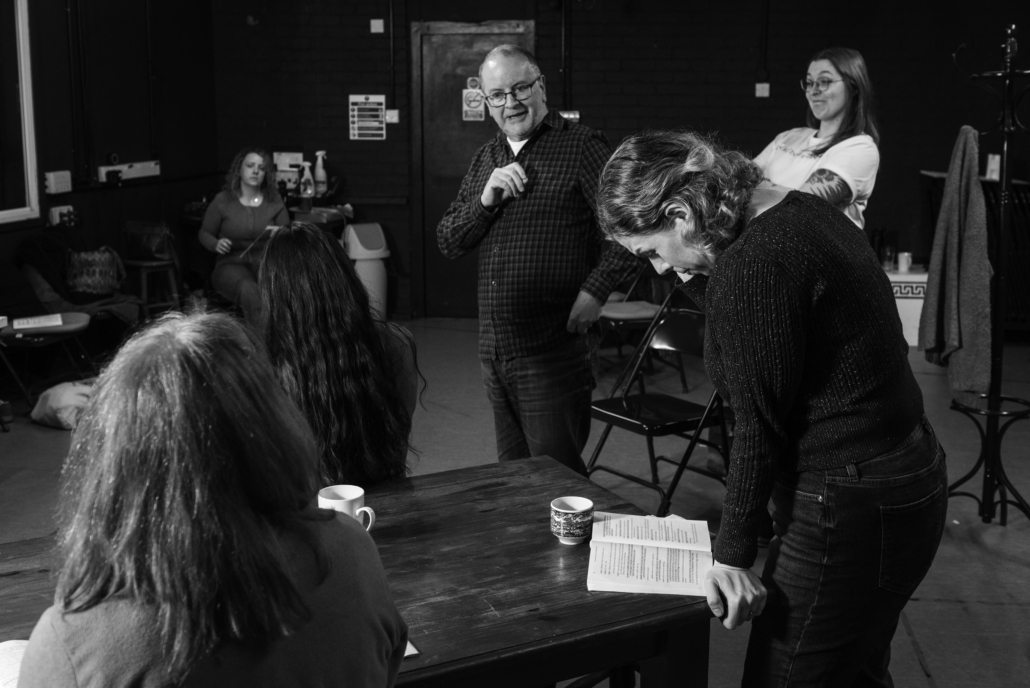
Brian Friel wrote like no other and his ability to stir emotions and imagination makes the opportunity to produce on stage one of his plays irresistible and so I was delighted and honoured to be asked to direct Dancing in Lughnasa by the Loft’s Artistic Director Sue Moore following on from last year’s production of his equally venerated play Translations which I also had the pleasure to direct.
Dancing at Lughnasa is very different however as it is set in the fictional Donegal townland of Ballybeg in the summer of 1936, at the time of year known in Ireland as ‘Lughnasa’, after the old pagan god of the harvest.
The Mundy sisters, all five of them, unmarried and living in the homestead are dealing with all the hardships of life at the time in rural Ireland. On top of the usual struggles of poverty they are trying to manage the social situation in a newly independent state where the church is dominant, but changes are afoot and the political situation in the outside world is starting to resonate by means of their one luxury, a radio set.
They have the added trials of raising a young child, the illegitimate son of the youngest girl Chrissie and the return of the oldest sibling, their brother Father Jack, who has been a long time away working as a missionary in Uganda. This has affected both his health and his mind, which appears to stand in the way of a triumphant return for him and the possibility of the family being elevated back to previous status.
This however is not the story of despair it might seem. The home is one full of love for each other and also for the young seven year old Michael on whom the sisters dote . Also there are outbursts of joy and music via the medium of radio, which allow the sisters to revel in what was and what may have been and even what could be, some of which lead to reminiscences and situations that are sometimes fraught.
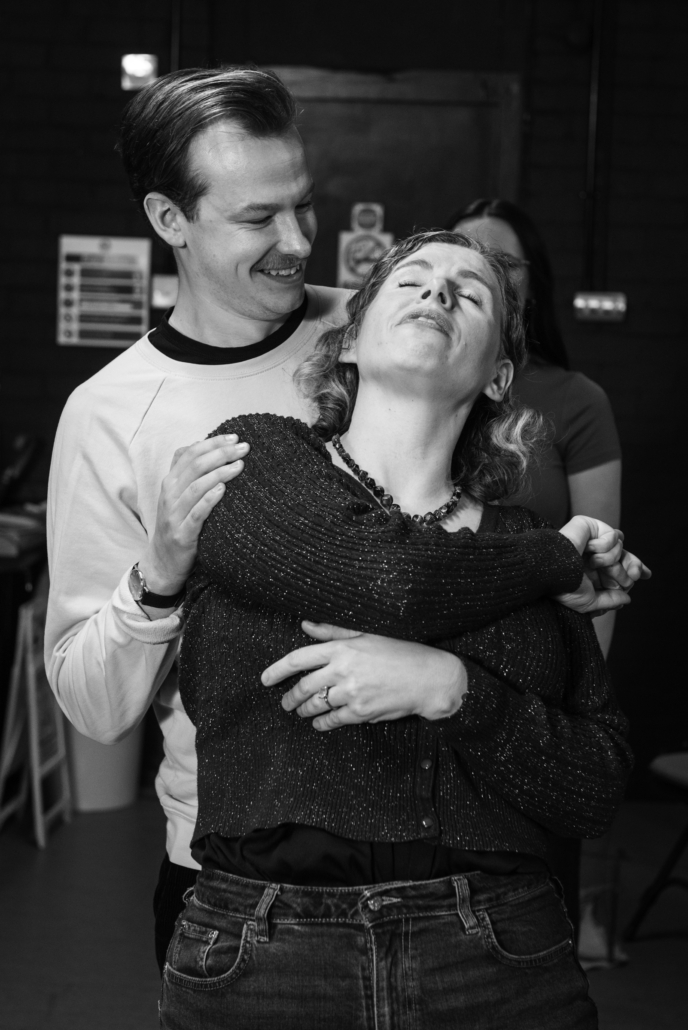
As the sisters attempt to live a normality, a modicum of excitement builds as Gerry Evans, a travelling salesman and Michael’s father, returns for one of his varying periodic visits, igniting passion and an outburst of dancing and possibilities of romance.
The play is overseen onstage by a older Michael, now an adult, who narrates and offers the picture of life on stage from his memories “ when I cast my mind back to that summer of 1936 different kinds of memories offer themselves to me.” This opening line itself opens a plethora of thoughts as to whether the happenings played out are real or imagined.
This is a powerful , dramatic and fun filled play, full of life’s emotions, laughter and tears. It invokes a time where things and life seemed simple but were really not, a time where music flowed and feet danced, a time where change was only a heartbeat away.
Aided by a superb as usual technical team and a group of actors I can only describ as talented and dedicated, I am bursting with excitement at this opportunity to stage Friel’s masterpiece . I do hope you can join us and if you do, will appreciate all it has to offer .
Tom O’Connor – Director
November 2025
REVIEWS
Reviews
“Loft’s talented cast and crew certainly do justice to his play.” – Ashley Hayward: Read Full Review
“First class night of heart-warming entertainment..you won’t want to miss” – Spencer Watson: Leamington Observer Read Full Review
“Dancing at Lughnasa: A beautiful play, perfectly rendered in a stunning production” – Nick Le Mesurier: Warwickshire World Read Full Review
“with this level of direction and acting, please, do not miss this flawless triumph” – Mark Pitt: Choppa News Read Full Review
“It captures the beauty and fragility of a family on the edge of change, and the brief, shining moments that preserve memory.” – Nadia Sayed: Leamington Nub News Read Full Review
“The complete atmosphere of the production was stunning” – Rowan McDonnell: Read Full Review
Treasured show
FOR the second time this season I have been to a production at The Loft where I have found it impossible to believe that I was watching an amateur production.
Tom O’Connor ’s production of Brian Friel’s wonderful play is outstanding in every way. Like Friel’s other masterpiece, Translations, the play deals with the decay and impending collapse of the old rural Ireland, but Friel adds the contributory factor of the inflexibility of the Roman Catholic church and the way in which entrenched conservative attitudes lead to disaster.
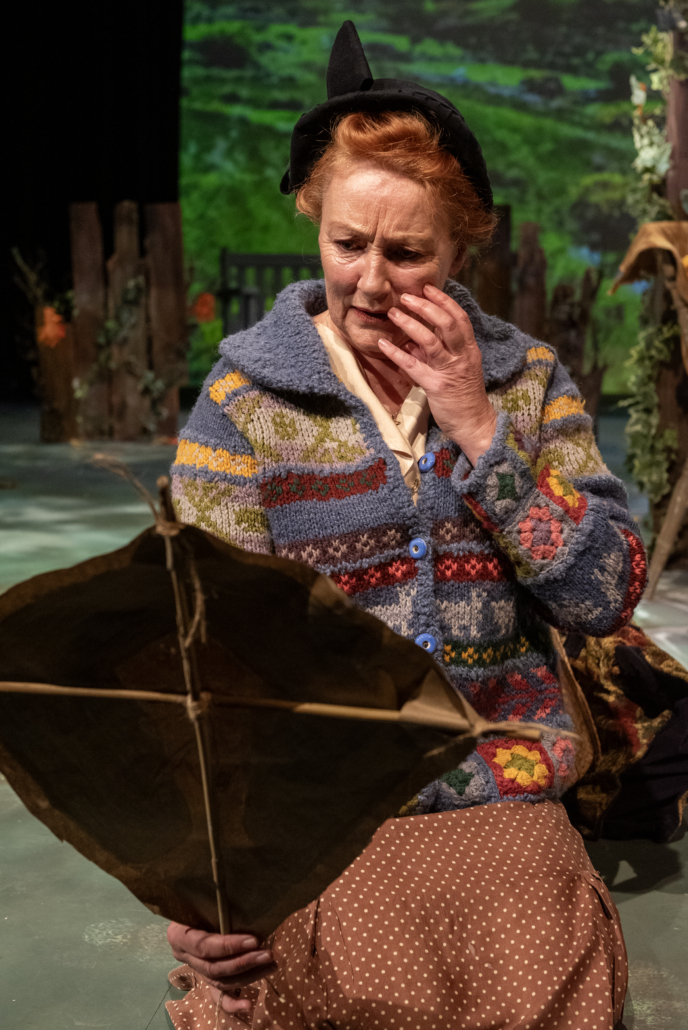
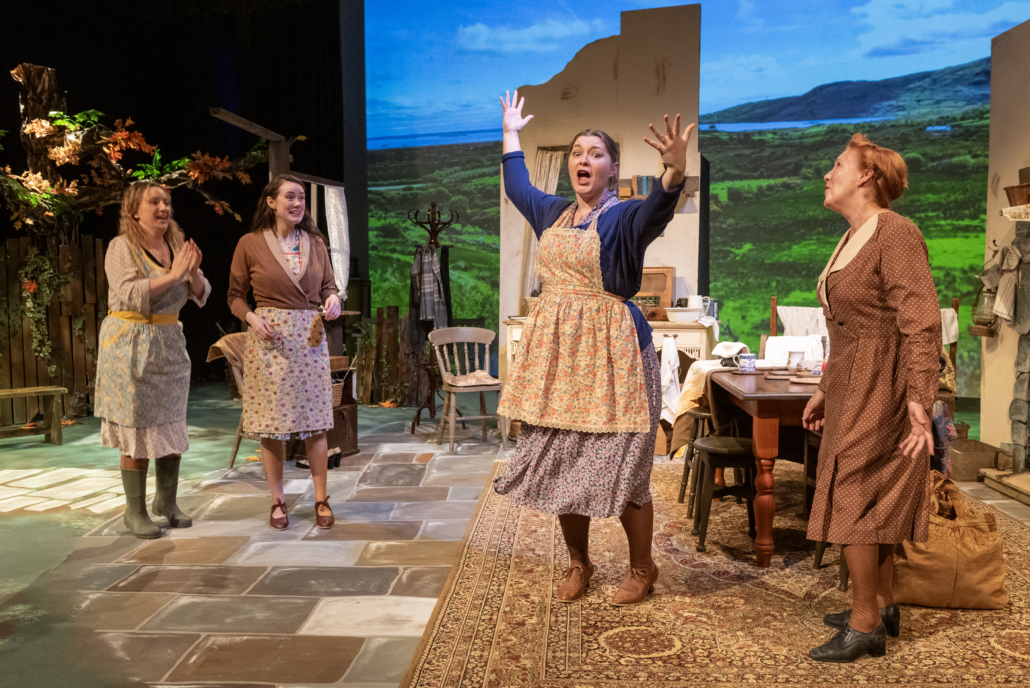
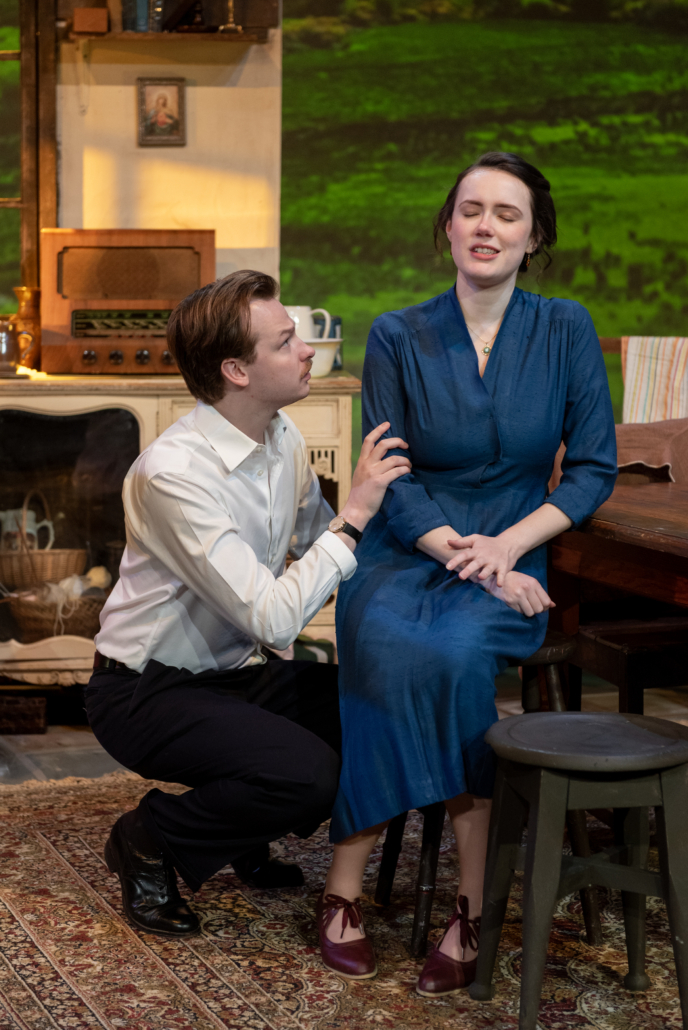
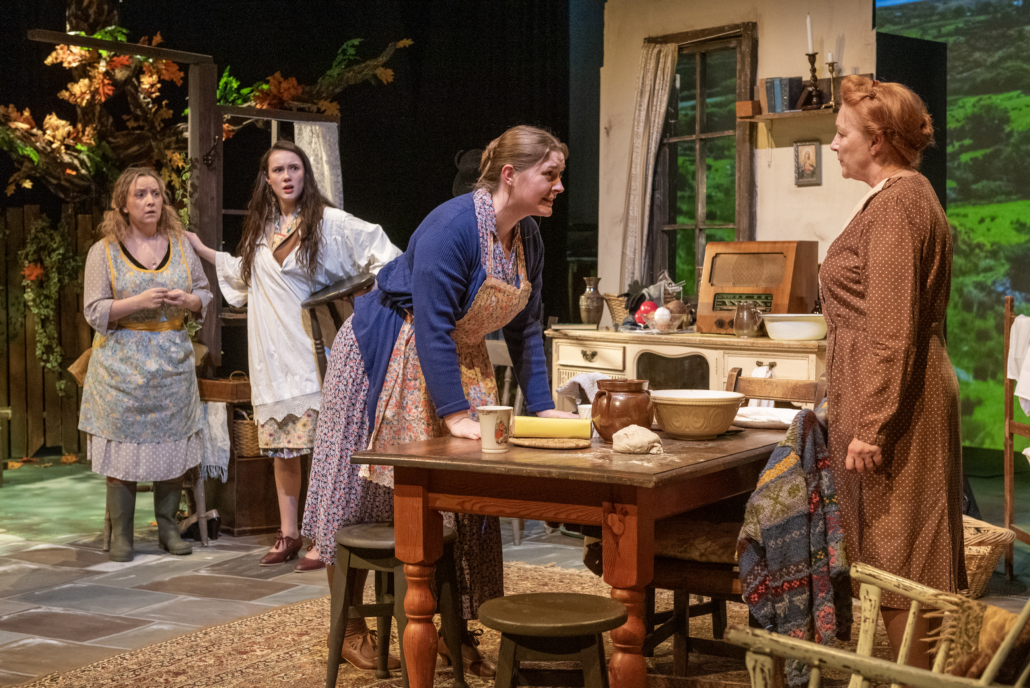
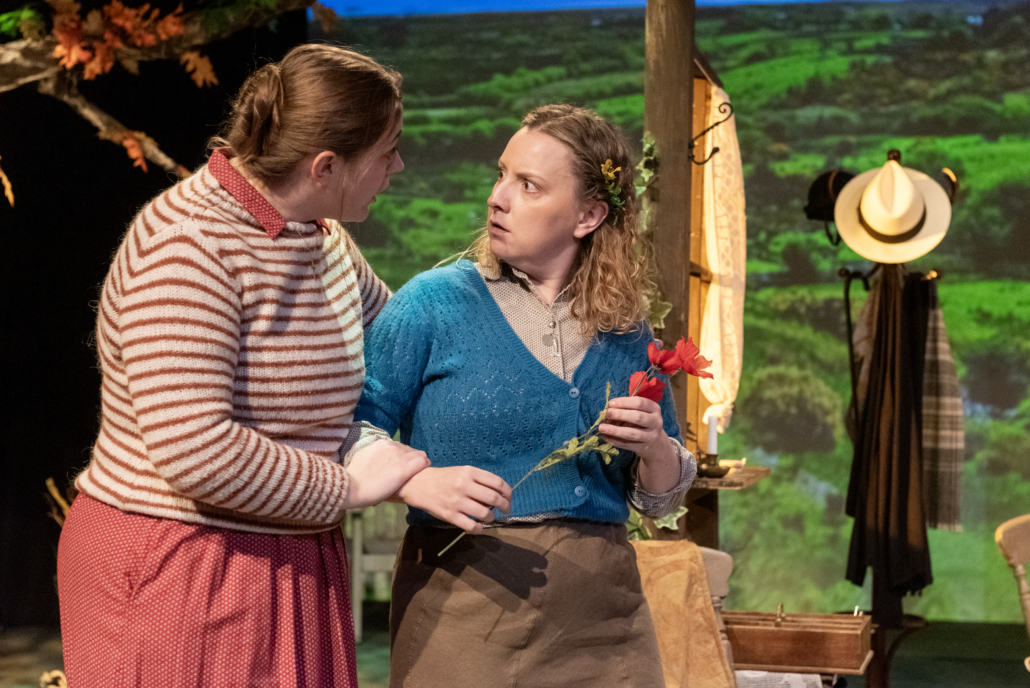
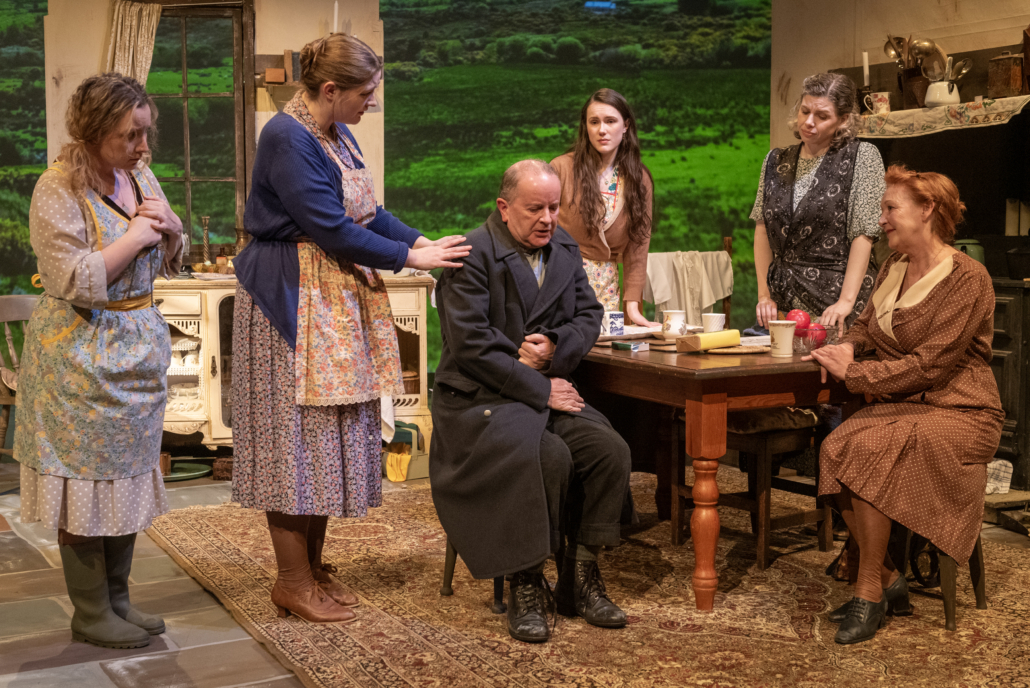
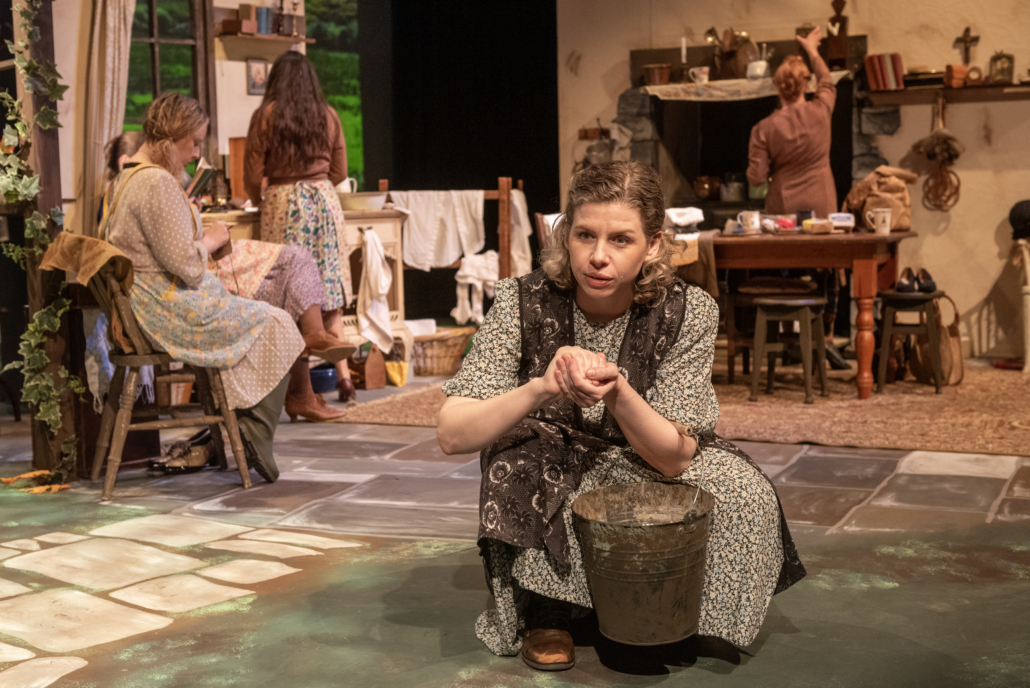
This production is brimming with creative ideas. The photographic backdrop of rural Ireland never allows us to forget the eternal power of nature set against the transitory nature of family and relationships. And Richard Moore’s beautiful set design, with its stage right garden, its splendidly painted stone tiles and garden path as well as the tree which looks dead and the wonderfully skeletal kitchen complements the acting with its subtle symbolic undertones.
It was clever to have Gerry climb an offstage sycamore tree as he attempts in vain to revive the dying Marconi. The set and Malcolm Hunt’s lighting design were impeccable and atmospheric.
A tone of ominous forboding was thus established from the outset.
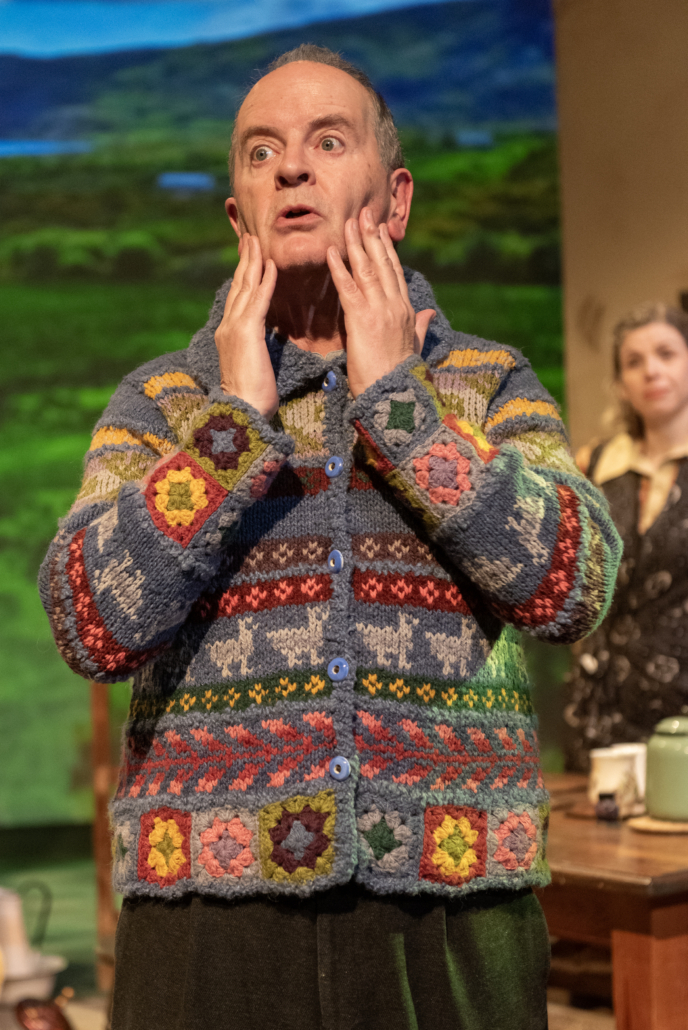
Each of the eight actors gave life fully to their characters. Ted McGowan’s Gerry was as good a Gerry as I have seen – a charming, manipulative liar – and I was very impressed by the way Phil Reynolds’s Father Jack gradually returned to health, his posture and movement clearly signalling his state of health and mind.
Lorna Middleton’s Kate was less strident than I have often seen and all the better for it. Rosie Pankhurst’s Agnes was a strong and vibrant character so that what we are told happens to her and to Tina Shinkwin’s Rose it is all the more moving.
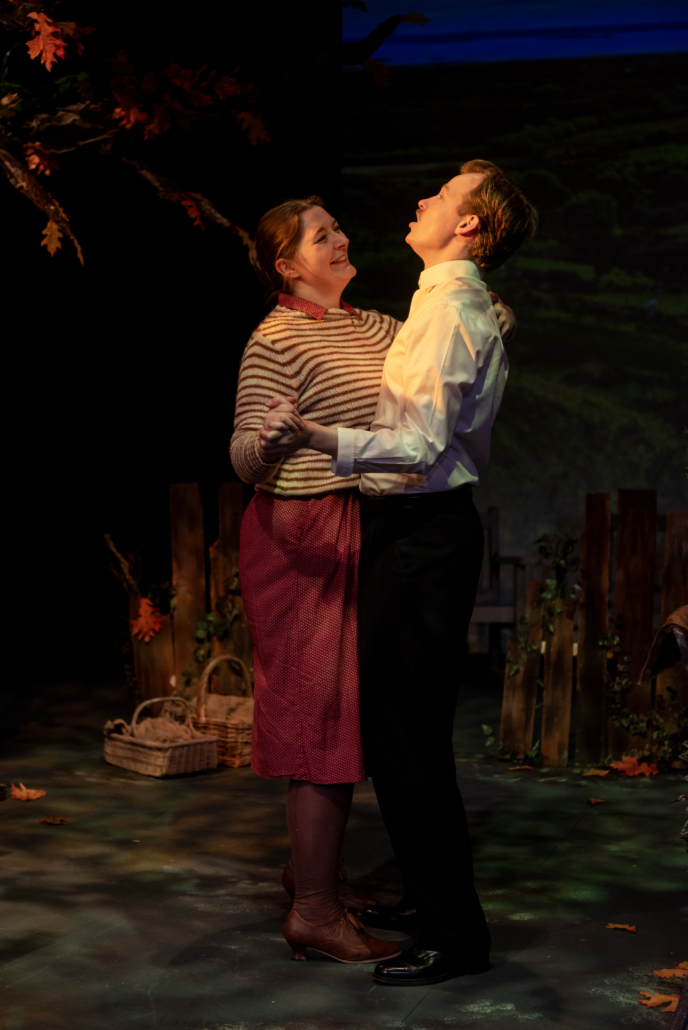
Placed downstage right Christopher Stanford’s adult Michael always looks appropriately peripheral and Ruth Herd’s Maggie is charismatic and completely convincing throughout. What I have never seen before, though, is the development into self-awareness of Leonie Slater’s Chris after she has encountered Gerry for the second time she finally decides to reject him so that she gains self-control rather than being the victim.
The radiance of her character and whole bearing when she is with Gerry in the garden is something I shall treasure and remember for a long time.
I love this play and The Loft’s production is as powerful and moving as the National Theatre’s recent production.
BY PETER BUCKROYD
Stratford Herald
CAST & CREATIVES
Cast List
PHOTOS
Photos