WED 1 - SAT 11 APRIL
INFO
REVIEWS
CAST & CREATIVES
PHOTOS
INFO
“What is striking is that Lavery’s play is both radical in form and progressive in content….and theatrically riveting……It increases our understanding, which is Lavery’s ultimate intention.”
Michael Billington, The Guardian
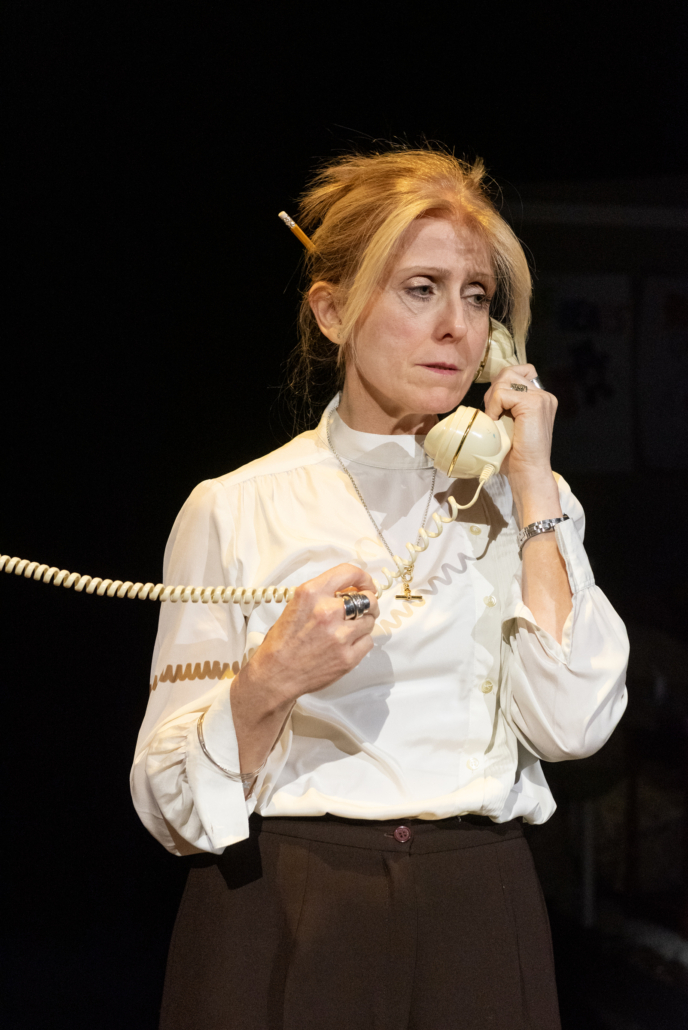
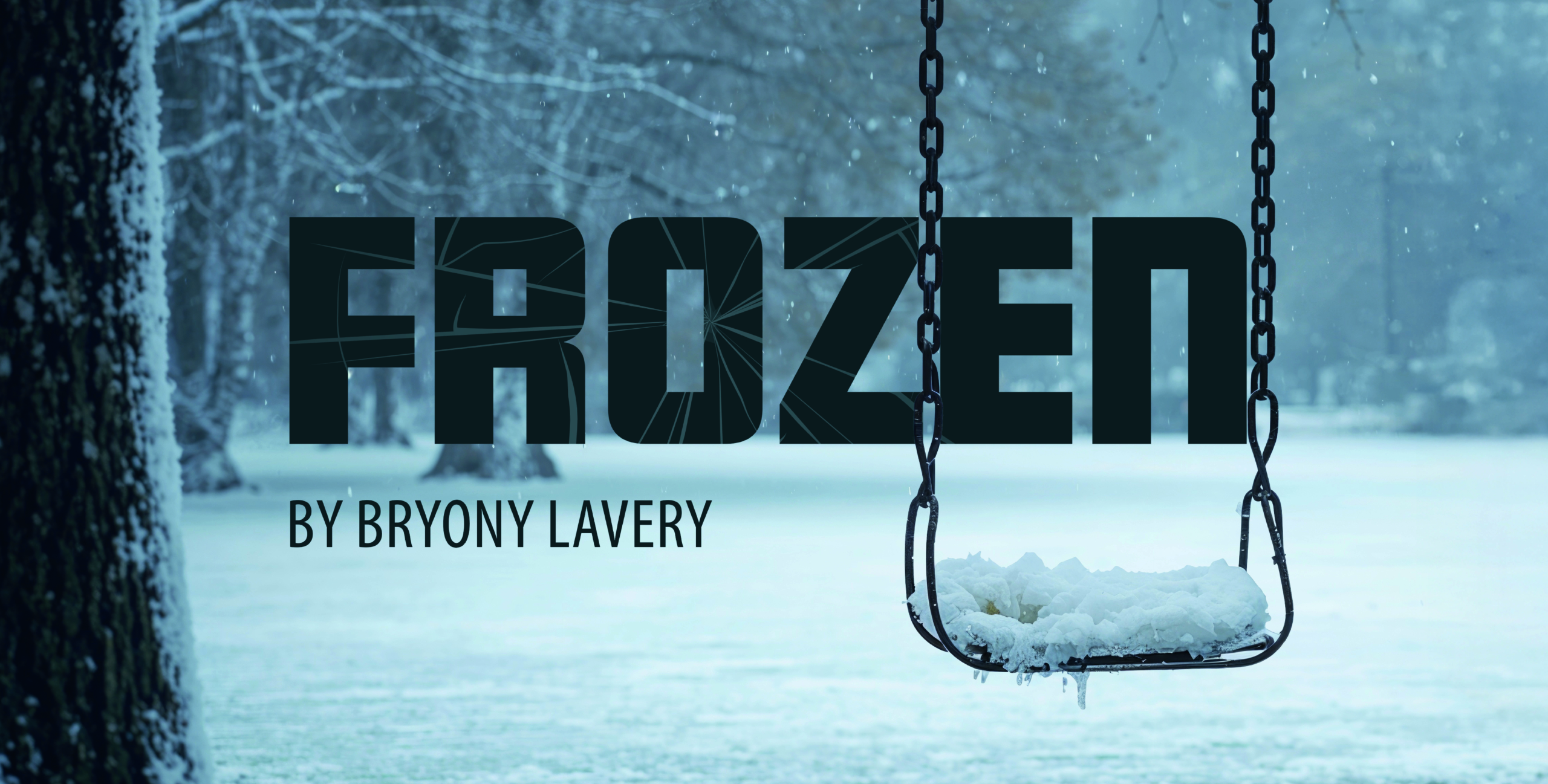
Rhona, a 10 year old girl, walks out of her parents’ house en route to her grandmother and never arrives. Her mother, Nancy, retreats into a state of frozen hope.
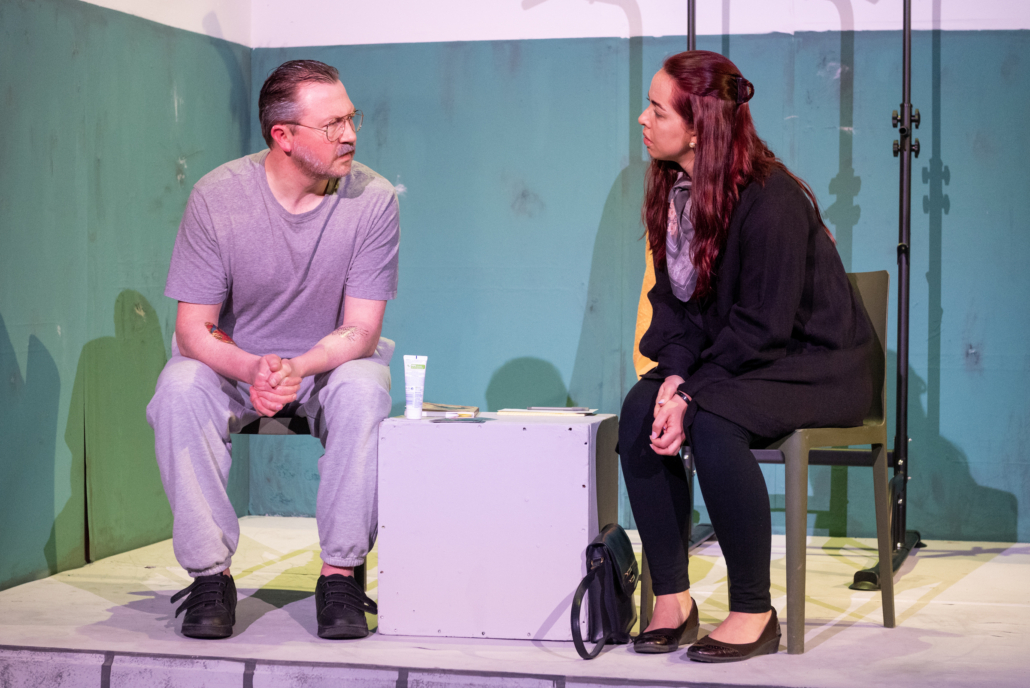
Over subsequent years three characters come to terms with this in very different ways; her mother, her killer and the criminal psychologist who studies the case. The play questions the appetite for retribution.
The structure of the play makes for compelling viewing as we move from monologue to dialogue.
Hailed by the Independent as one of the 40 greatest plays of all time, after a premiere at the Birmingham Rep in 1998, where it won Best Play, Frozen made its debut at the National Theatre in 2002, moving to Broadway and securing four Tony nominations.
It was most recently revived in the West End in 2018 with Suranne Jones.
This amateur production of “Frozen” is presented by arrangement with Concord Theatricals Ltd. on behalf of Samuel French Ltd.
Performance is 2 hours plus a 20min interval
Age guidance 16+
This production contains mature and potentially distressing themes including child sex abuse, murder, suicide, and very strong language.
Viewer discretion is advised. The performance may not be suitable for younger audiences.
WARNING: Haze and Smoking used during this performance
Director's Notes
“Is there any cause in nature that makes these hard hearts”
King Lear, William Shakespeare
You may have seen in the news recently, that Ian Huntley, the murderer of 10 year old Holly Marie Wells and Jessica Aimee Chapman in 2002, had been violently attacked and murdered in prison. The nature of Huntley’s crimes are difficult for most of society to comprehend. What turns a child into an adult who abuses and murders children? For most of us, people who commit such atrocities are evil and deserve no compassion.
Bryony Lavery’s much researched Frozen broke new ground in psychological drama when it first debuted at the Birmingham Rep in 1998.
The subject matter is dark, exploring the impact of a ten year old child’s murder on her mother, Nancy, the killer himself, Ralph, and Agnetha, the psychologist who is gathering case study research material on Ralph. Nancy’s experience is drawn from an actual testimony by the family of one of Fred and Rosemary West’s victims. Ralph’s character is constructed on study material on the Scottish serial child murderer Robert Black, and Agnetha is based on Dorothy Lewis, an American psychiatrist who has interviewed, and testified, in the cases of many death row inmates including Ted Bundy.
At its core, Frozen examines how trauma immobilises us, leaving us “frozen” in grief, guilt, or remorse. Each character embarks on a journey of emotional “thawing” as they confront their pain and attempt to heal. Nancy is frozen in hope and grief. Ralph is frozen in his warped sense of morality. Agnetha is frozen in her own loss of her close professional colleague, his studies being the reason why Agnetha’s path crosses with that of Ralph and Nancy.
Aside from the beautiful way in which the text is written in this play, such as its conciseness, style and structure, there is a definite message about how resilient human nature is in the face of horrors, that vindictive hatred leads nowhere and that we need to comprehend what leads people to such extreme acts.
I hope the audience will come away from this play with a sense of their own emotional resilience and power of agency to heal through forgiveness. Is this not a fitting sentiment to the Easter period?
DAVE CROSSFIELD: DIRECTOR, FROZEN
REVIEWS
Reviews
“Frozen insists on something unfashionable: that we stop, that we feel, that we do not look away.” – Mark Pitt: Choppa New Read Full Review
“Frozen is brilliantly acted and packed with suspense and emotion.” – Ann Evans: elementarywhatson Read Full Review
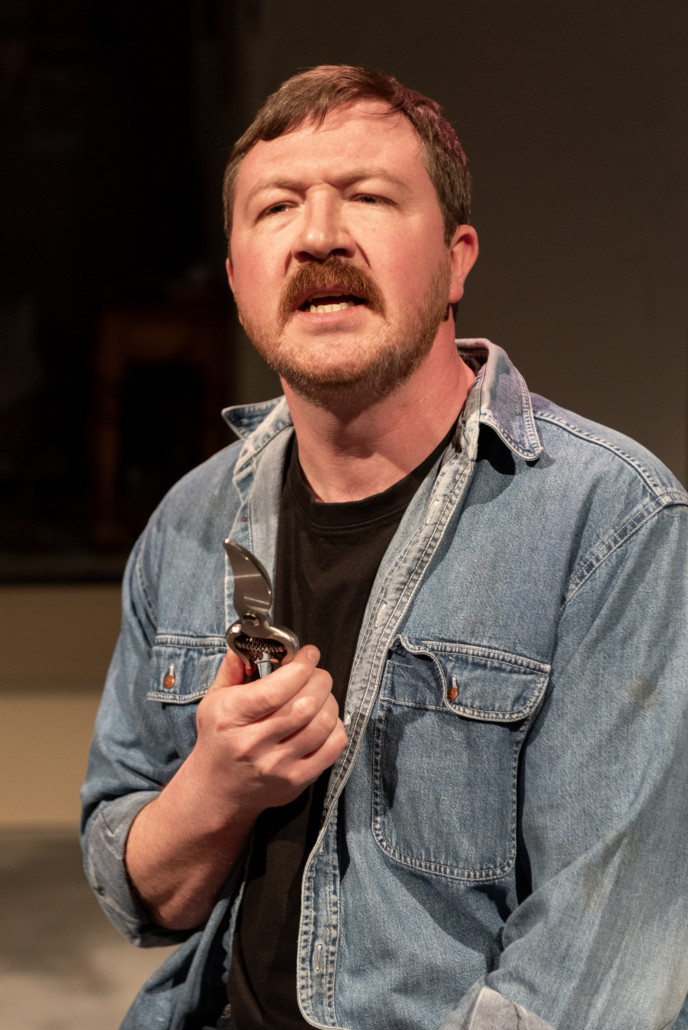
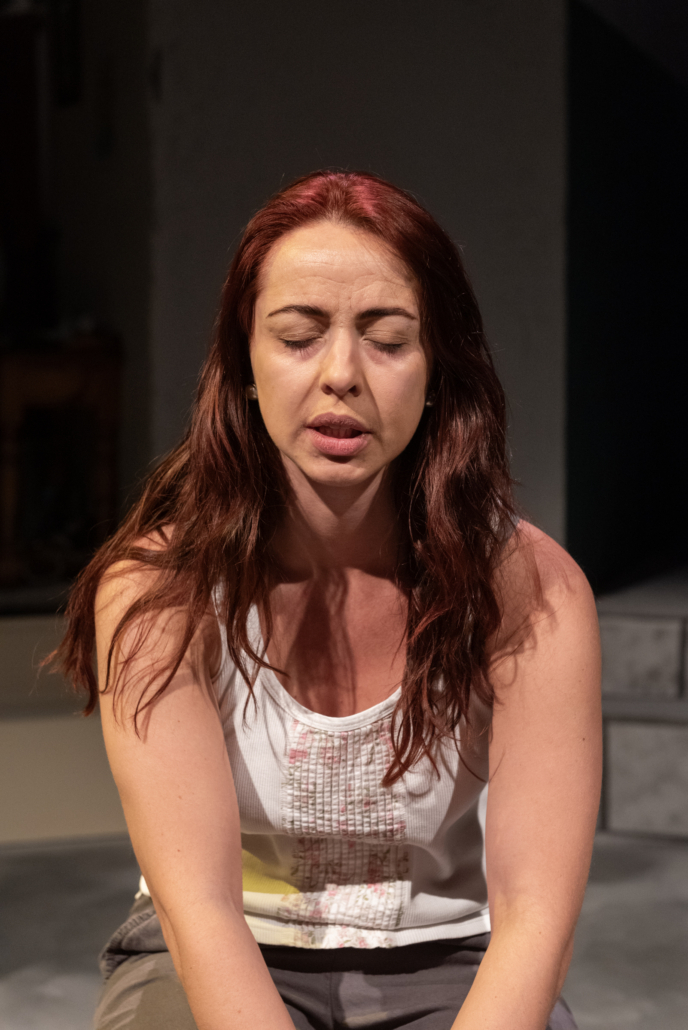
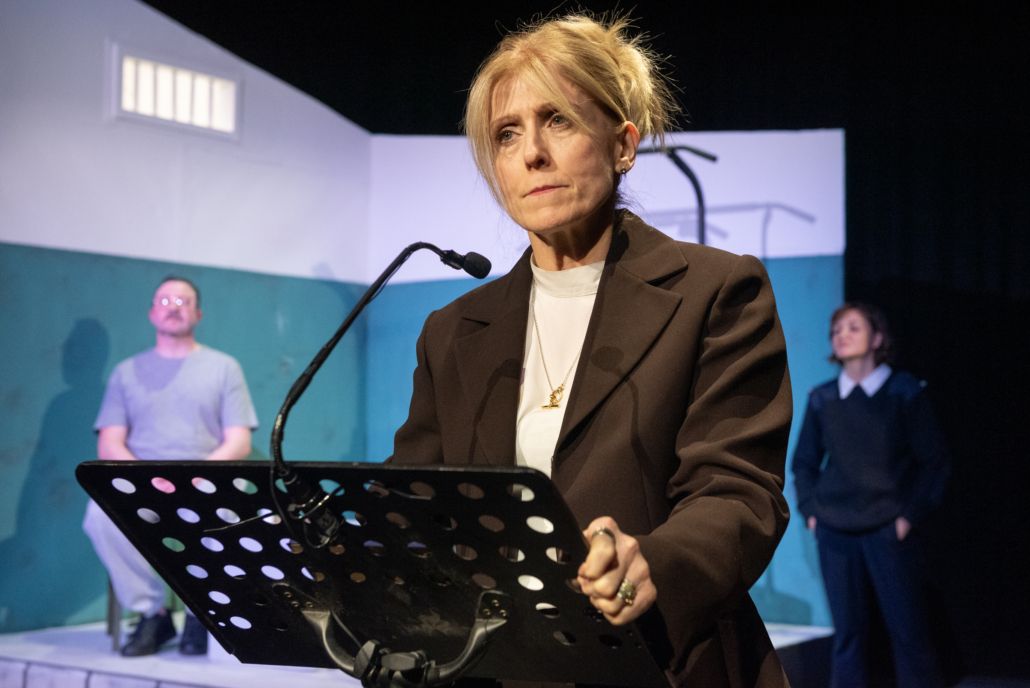
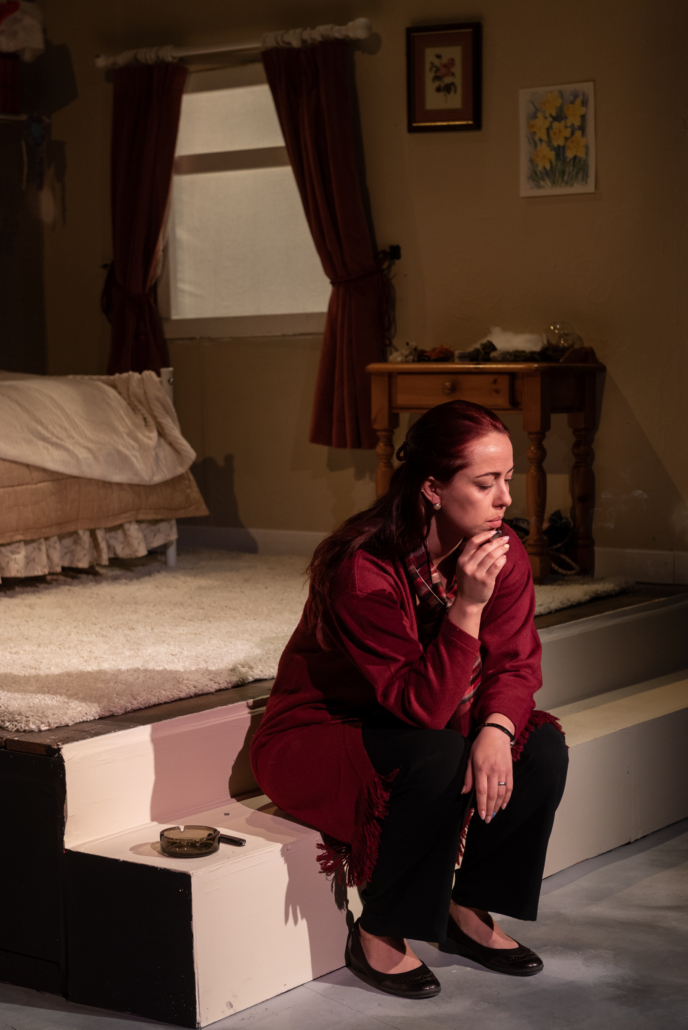
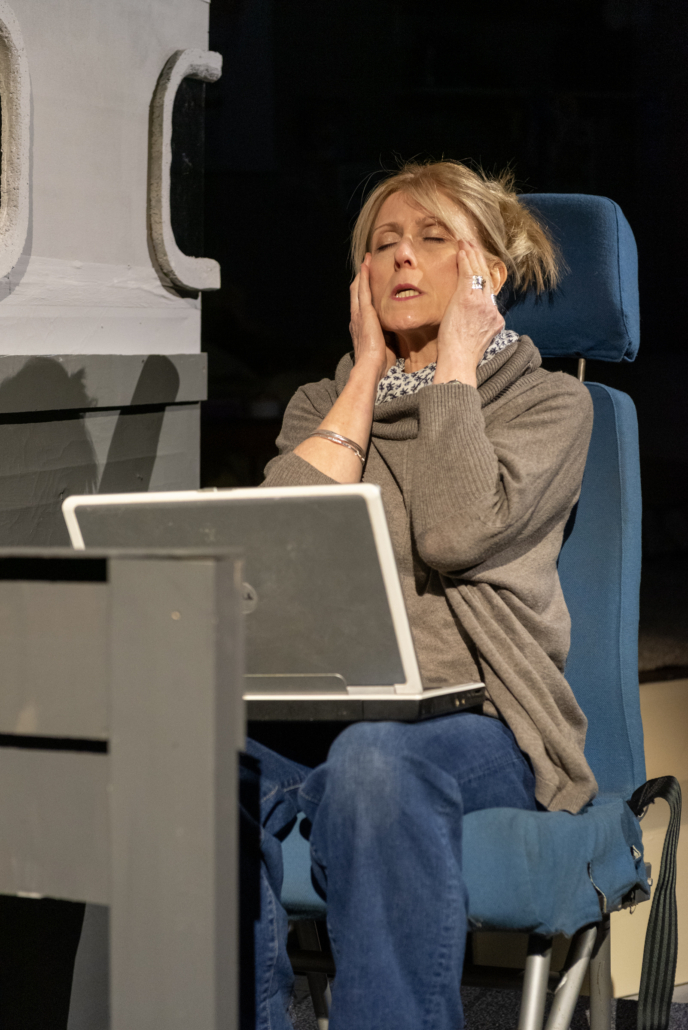
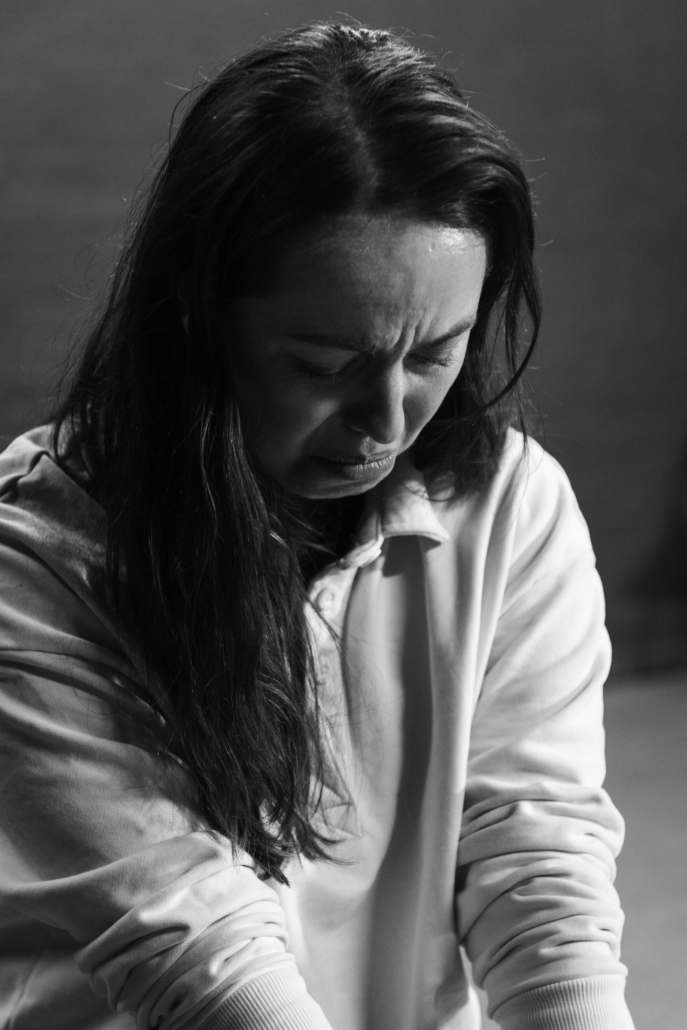
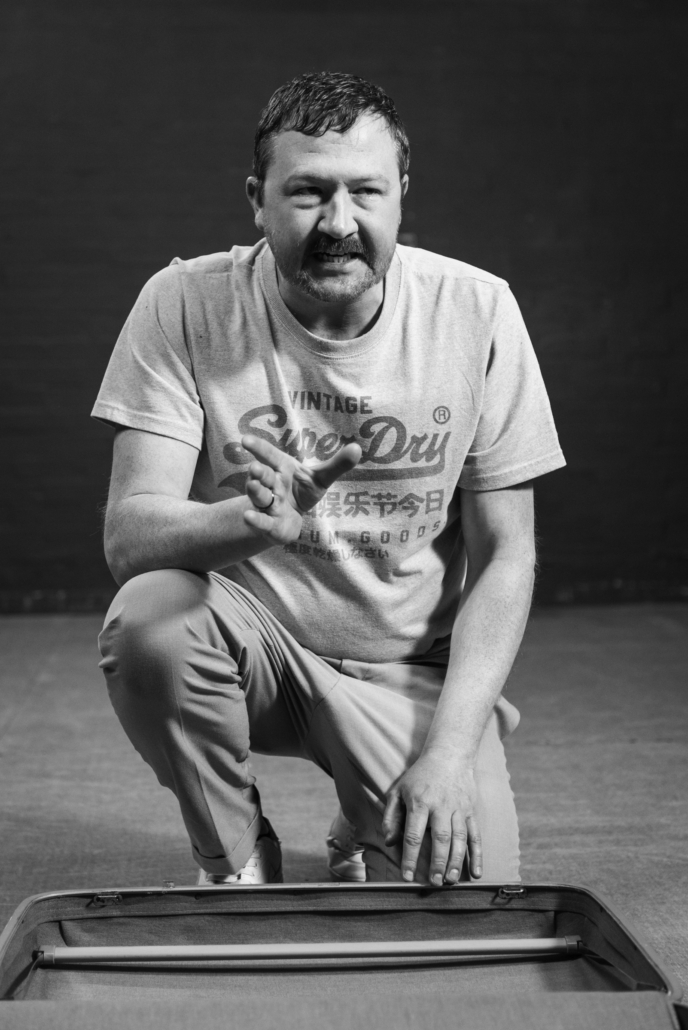
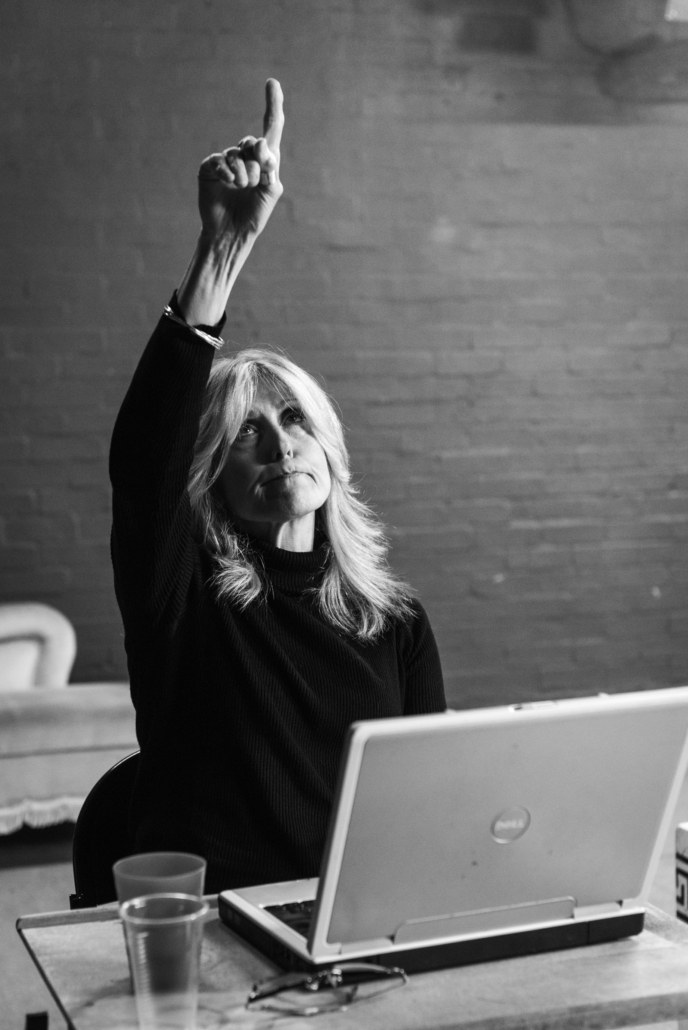
Does sin exist? Bryony Lavery’s much acclaimed play, Frozen, playing at The Loft Theatre, Leamington Spa ‘til 11 April, explores the question in the context of crimes committed by Ralph Wantage (James Proctor), a fictional serial killer who has raped and murdered seven little girls, one of which is Rhona, Nancy Shirley’s (Cheryl Laverick) little daughter. Ralph is caught sometime later and imprisoned for life, so justice, one might say, has been done. But the pain remains, and so do questions of guilt. If Ralph’s crimes are a sin, then that presumes he had knowledge and could exercise choice. This is the basis on which he was convicted. But if, as psychiatrist Agnetha Gottmundsdottir (Tracey James) believes, his behaviour is a consequence of abuse suffered in childhood which so damaged his brain that his actions are a symptom of his pathology, how do we regard and treat people like him?
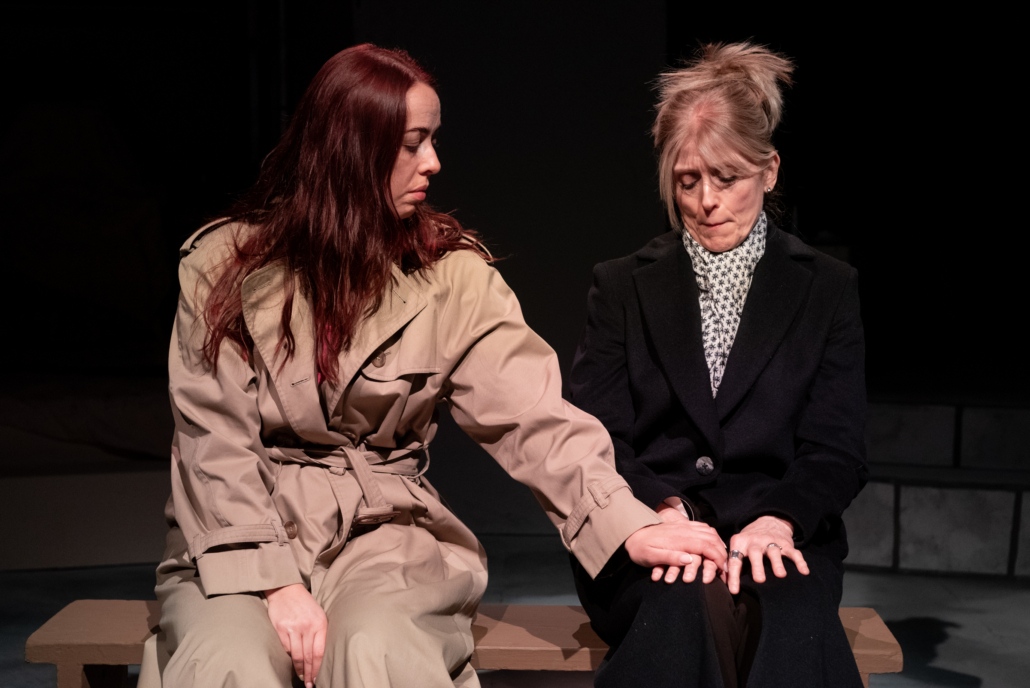
The play doesn’t give answers, but in Nancy’s slow progress towards a kind of forgiveness, a thawing of her anger, there is a glimmer of hope that even in such dire circumstances it is possible to leave the past behind.
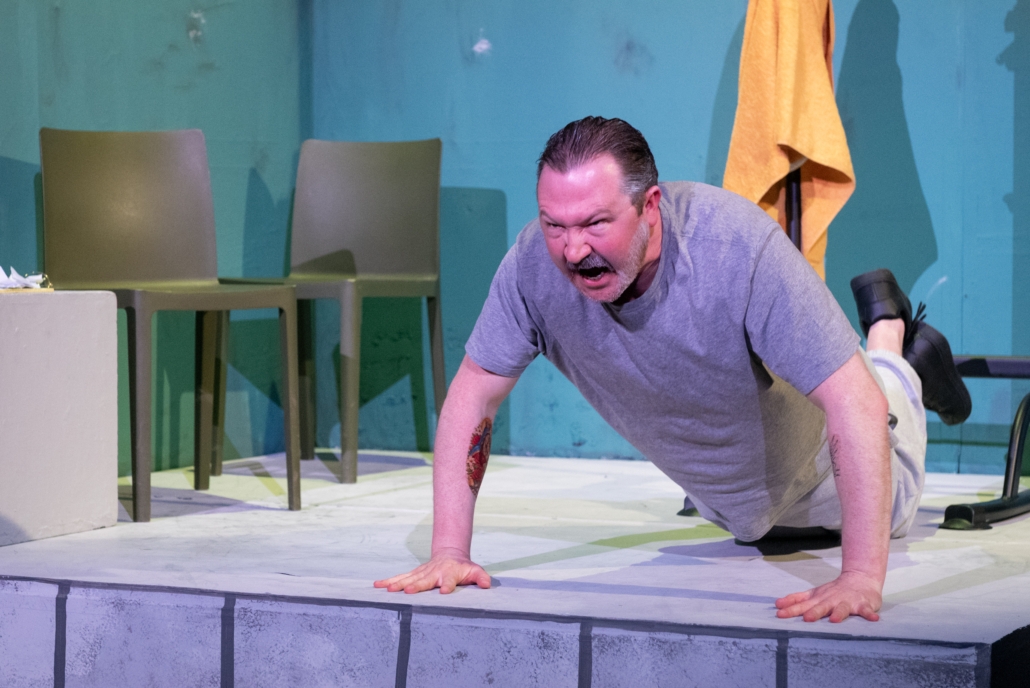
James Proctor gives a stunning performance as a man locked in childhood trauma, unable to see what others see in him. A careful, calculating killer, he delights in his meticulous planning. But his inability to feel for his victims is both alarming and strangely moving. While hardly a man more sinned against than sinning, if we are to call ourselves human, even he deserves some sympathy. The question is, where do we find it?
Cheryl Laverick’s Nancy extracts every ounce of dignity in her pain, a dignity that belies the cod phrase, ‘comes to terms’ with her grief, making it palpably real, a living complex thing that, in time, and in the context of her other close relationships, changes.
Tracey James, in a beautifully pitched performance, carries her own burden, too, which sits alongside her dispassionate analysis of Ralph’s warped psychology. Together the three actors form a powerful triumvirate, which under Dave Crossfield’s sensitive, intelligent direction, make for unmissable drama
– Nick Le Mesurier: Warwickshire World
CAST & CREATIVES
Cast List
PHOTOS
Photos