WED 28 OCT – SAT 7 NOV
INFO
REVIEWS
CAST & CREATIVES
PHOTOS
INFO
WOMEN OF TROY
WED 28 OCT – SAT 7 NOV
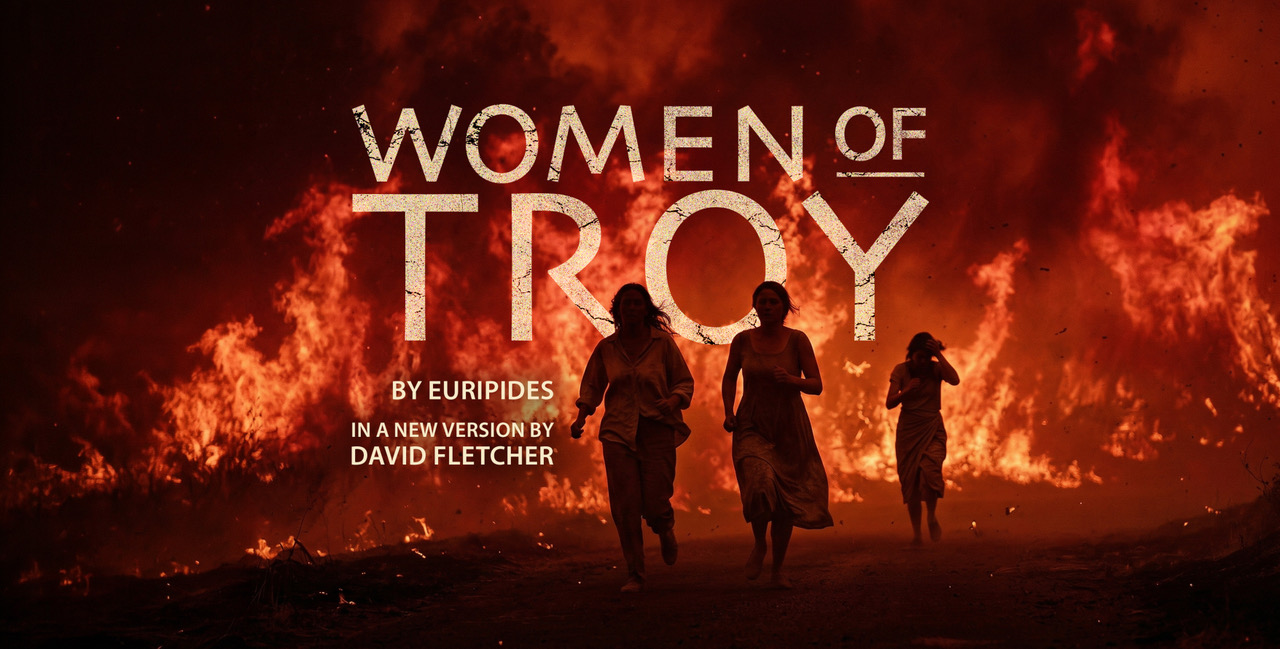
By Euripides
In a new version by David Fletcher
Directed by David Fletcher
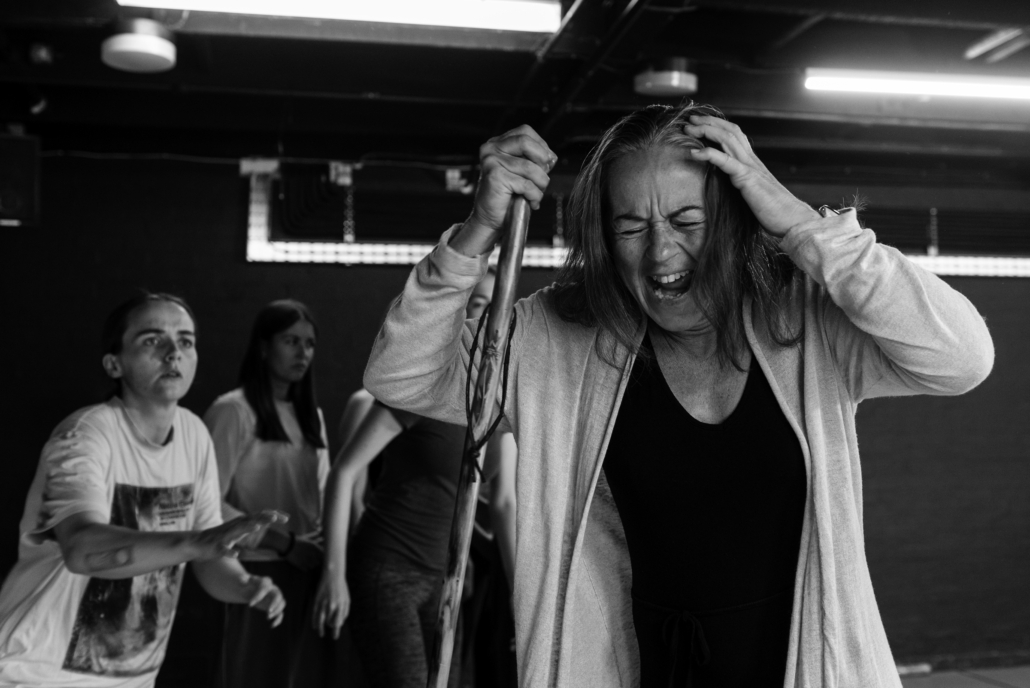
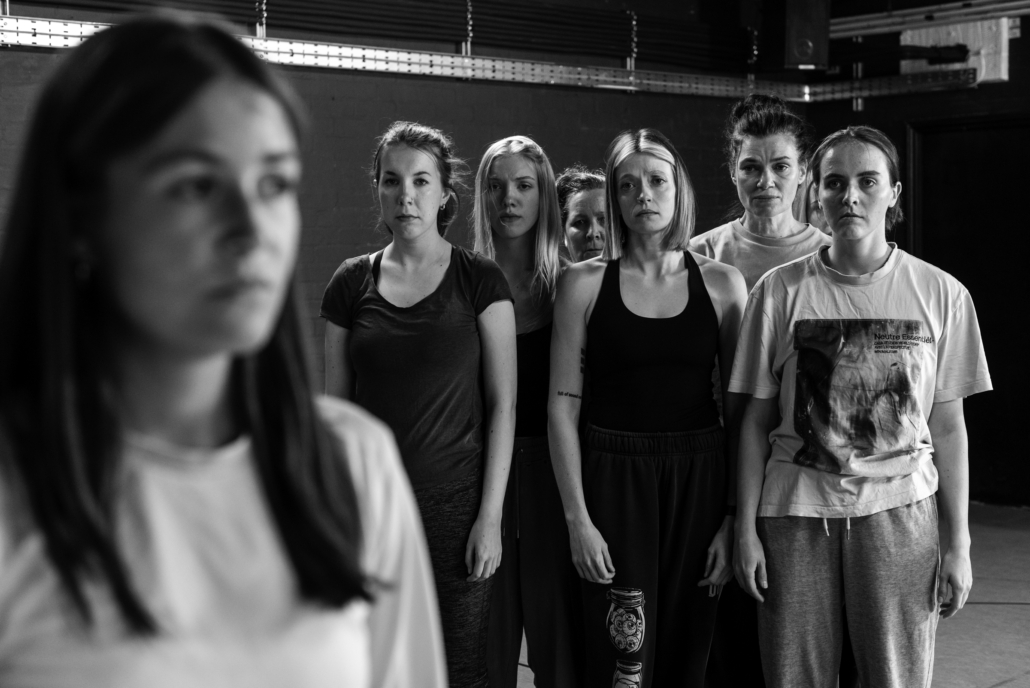
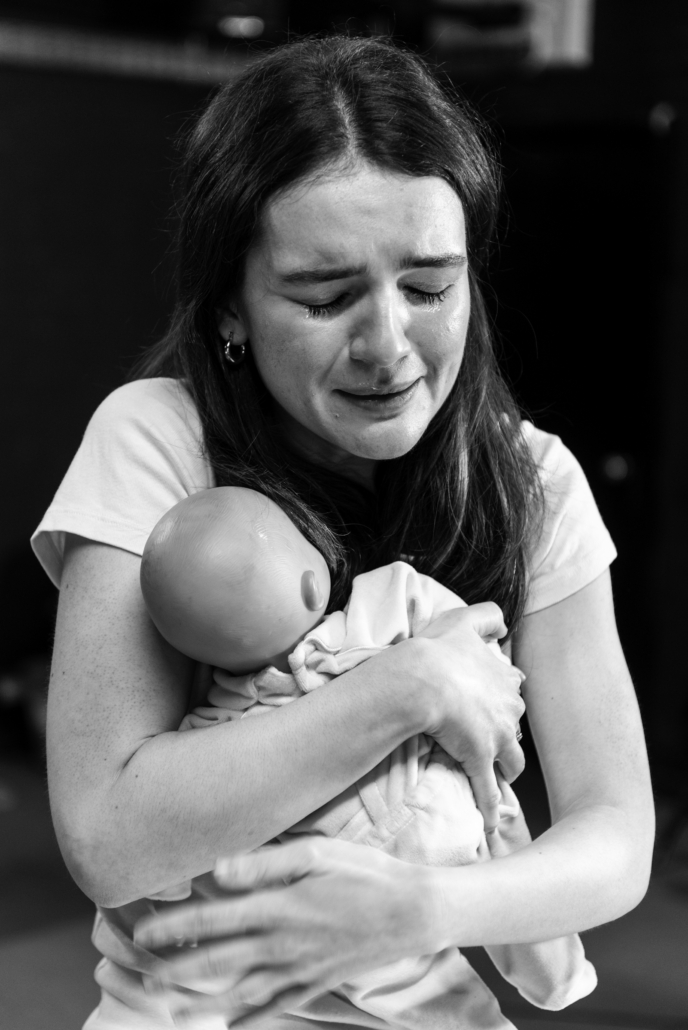
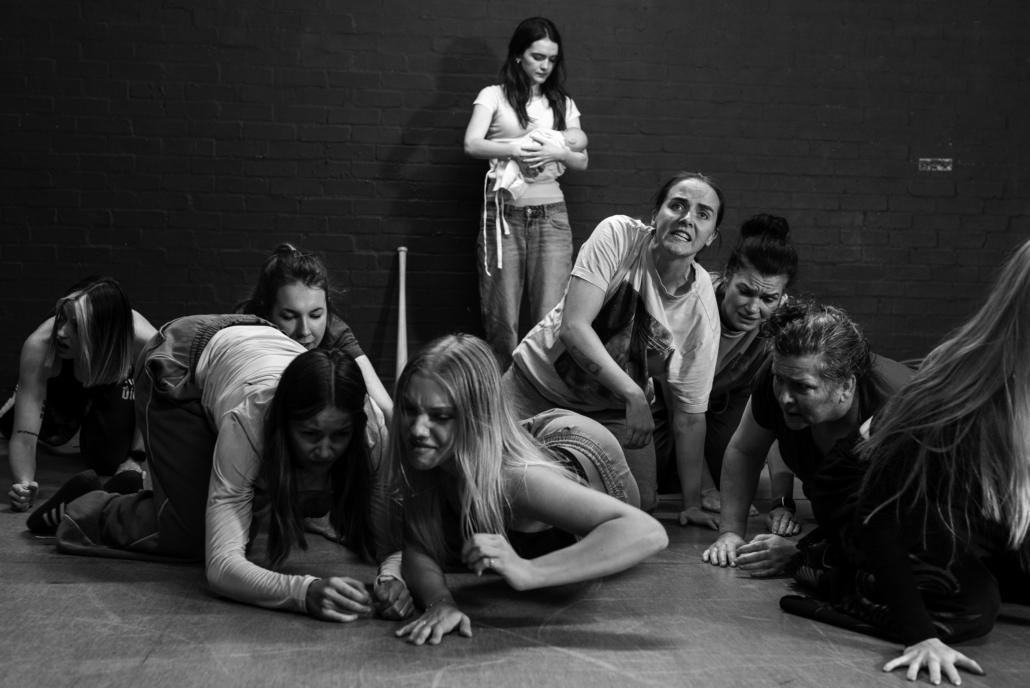
It is the morning after the fall of Troy. All the Trojan men have been killed, but the women don’t yet know their fates – each woman is waiting to hear which Greek leader will be their new master as they grapple with grief and loss. By the end of the play, the women have been taken to the ships, and their city is in flames……
This intensely dramatic, powerful tragedy may have been written over 2,400 years ago, but it still speaks to us today on some of the fundamental issues of our time.
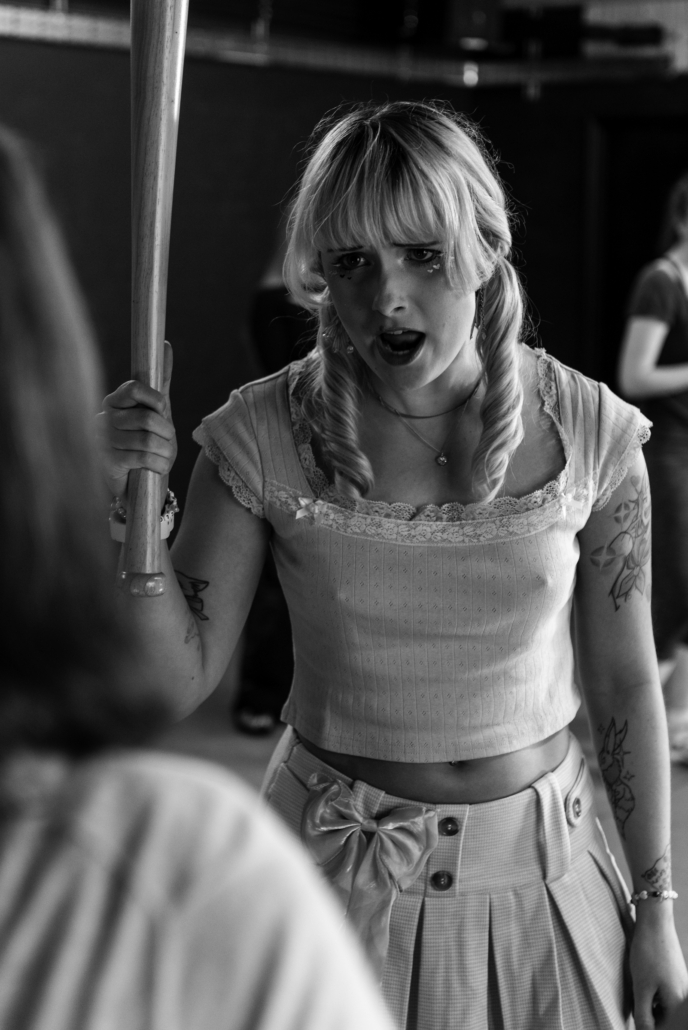
It vividly depicts the fallout of the terrifying violence of war and in particular the effect it has on the lives of women.
Just a few years after the play was written, the historian Thucydides wrote “the strong do what they can and the weak suffer what they must” – a maxim that is being frequently quoted on the news today as it was in the ancient world.
Director's Notes
When I was thinking last year about which play I wanted to direct in 2026, the state of the world led me to a decision that it should be a play that focused on politics and war. Putin’s illegal invasion of Ukraine in 2022 was grinding on, and the actions of Netanyahu’s forces in Gaza had already caused the deaths of tens of thousands of civilians, of which about half were women and children. Searching for a play that engaged with this violence, I turned to Greek drama; and Women of Troy by Euripides quickly emerged as the obvious choice. This intensely dramatic play shows us the fallout of the terrifying violence of war and, in particular, the effect it has on the lives of women and children.
For centuries, Greek drama has fascinated audiences, actors and creative teams. These plays may have been written over two thousand years ago, but they still speak to us today on some of the fundamental issues of our time. They bring a searing focus on the human condition – on the powerful and, in the case of Women of Troy, on the powerless. We have seen this recently in Christopher Nolan’s film The Odyssey – this play is its prequel!
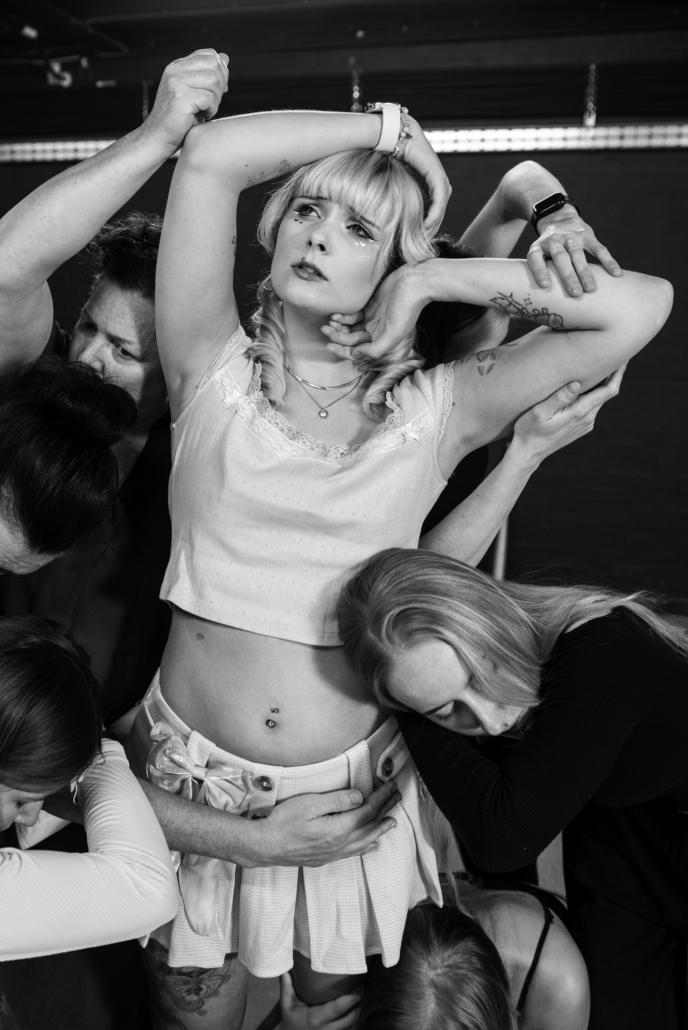
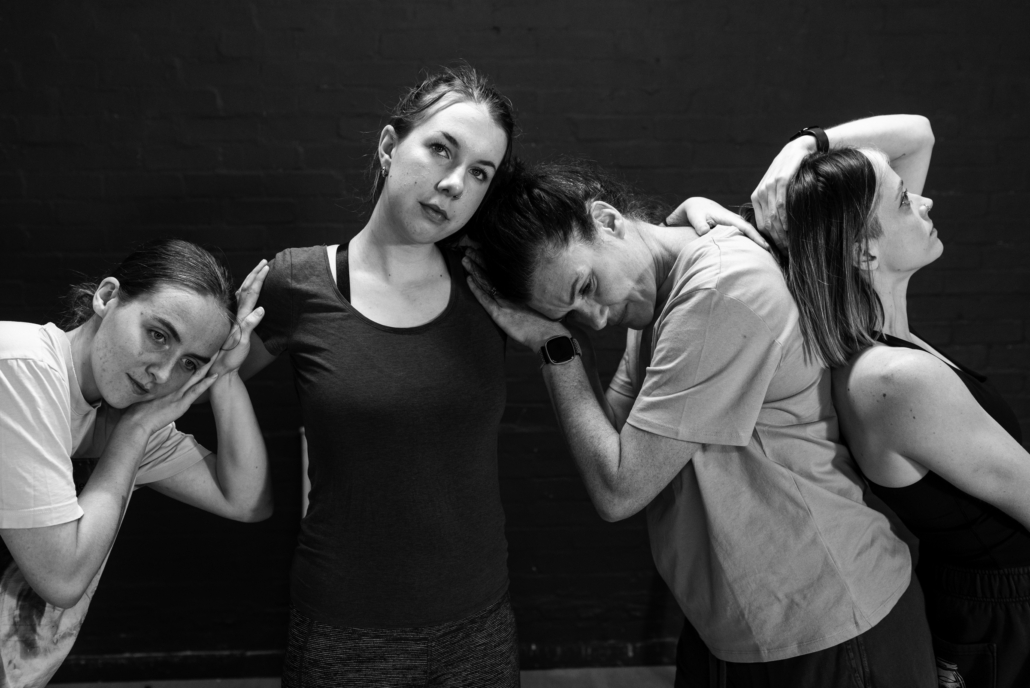
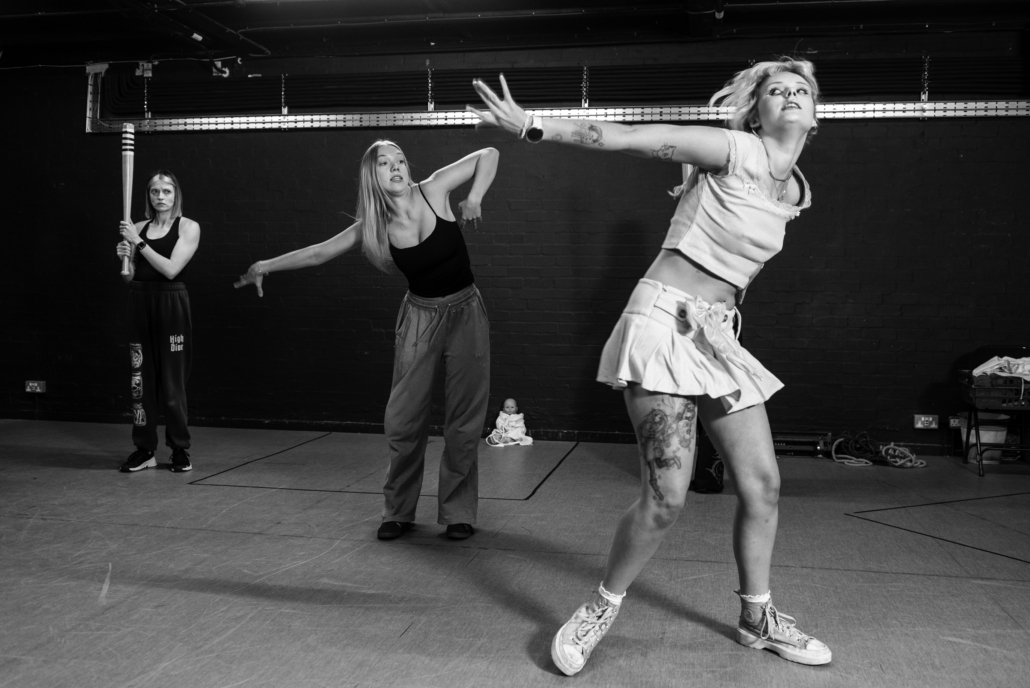
Our virtuoso creative team has, once again, risen to the challenge of crafting a vivid world in which our wonderful cast can explore the profound themes of this play. I am grateful to them all for their brilliant contributions to this production. My version of the text is shorter than the original and its language is, I hope, accessible to modern audiences. To draw a distinction between the two communities, the Trojans speak mostly in verse and the Greeks in prose. Classical Greek drama included a lot of singing and dancing – to reflect this, our production will include some songs and moments of stylised movement.
On 26th February, I wrote the audition notice for this production. On the same day, the world took another dark turn as Trump and Netanyahu launched their war of choice against Iran, leading to yet more civilian casualties. Just a few years after Women of Troy was written, the historian Thucydides wrote “the strong do what they can and the weak suffer what they must” – a maxim that is as relevant today as it was in the ancient world.
DAVID FLETCHER
Director, Women of Troy
REVIEWS
CAST & CREATIVES
Cast List
PHOTOS
Photos