WED 23 SEPT - SAT 3 OCT
INFO
REVIEWS
CAST & CREATIVES
PHOTOS
INFO
“Eldridge’s writing remains consummately naturalistic, peppered with intentional loose ends and recognisable, awkward humour.”
The Stage
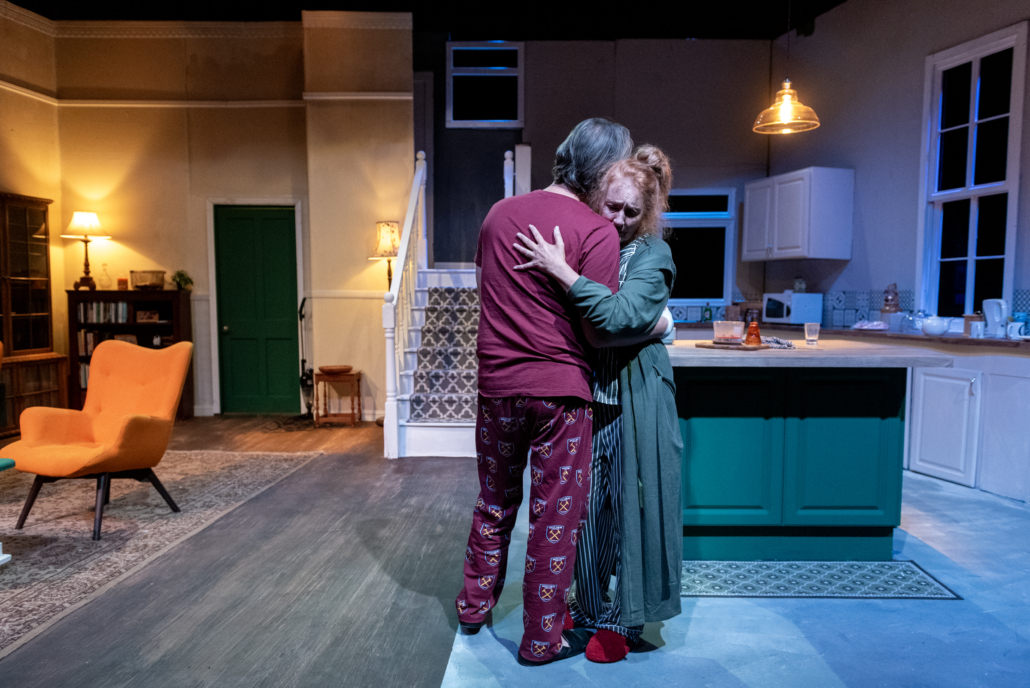
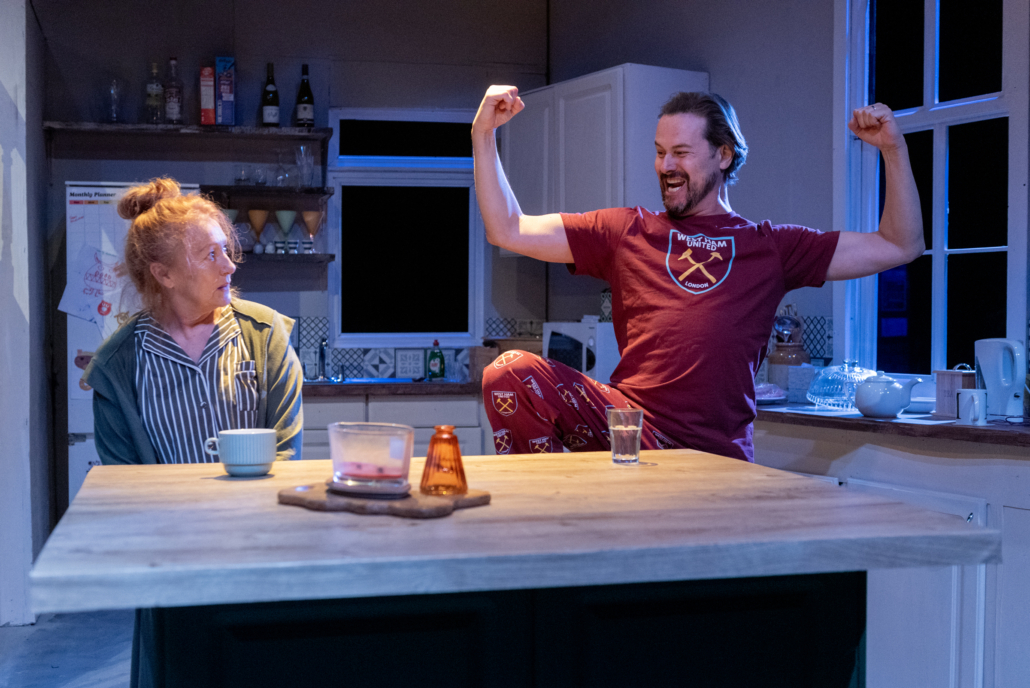
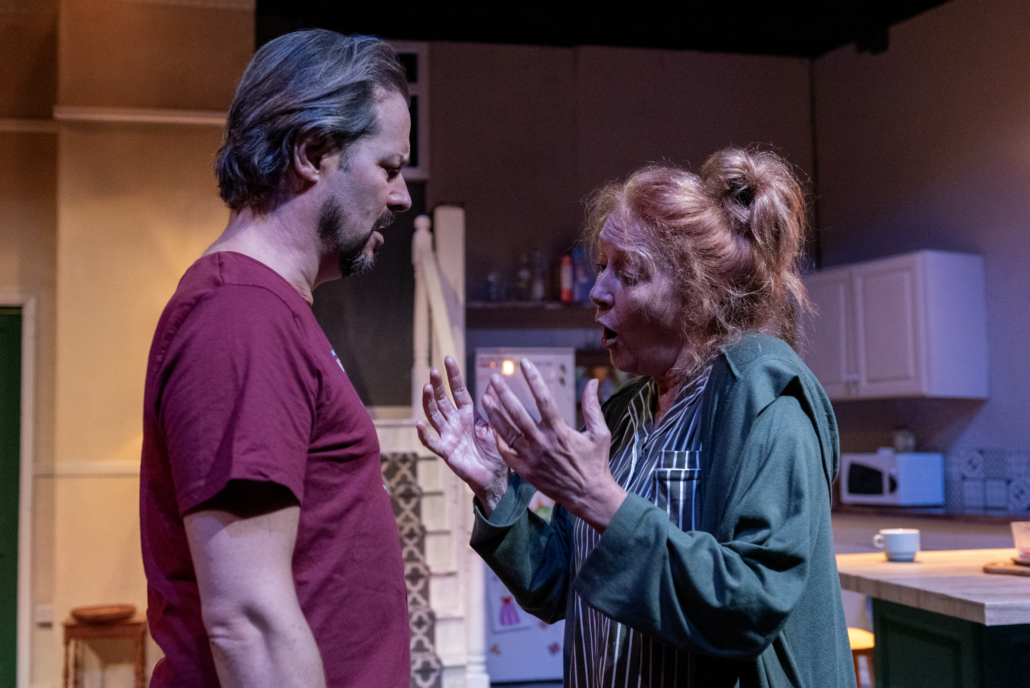
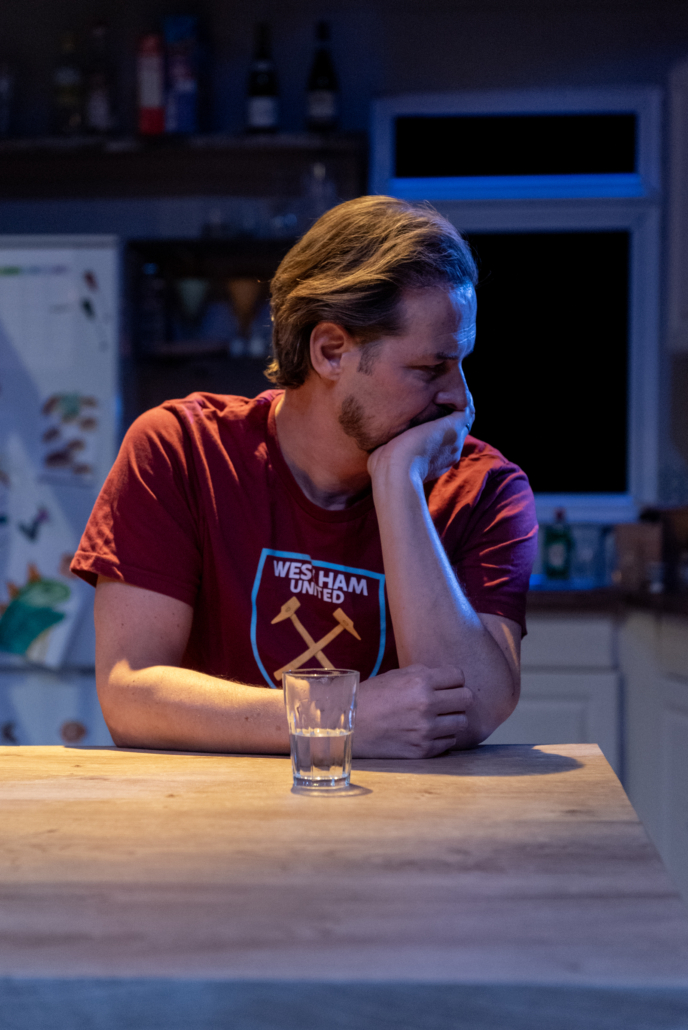
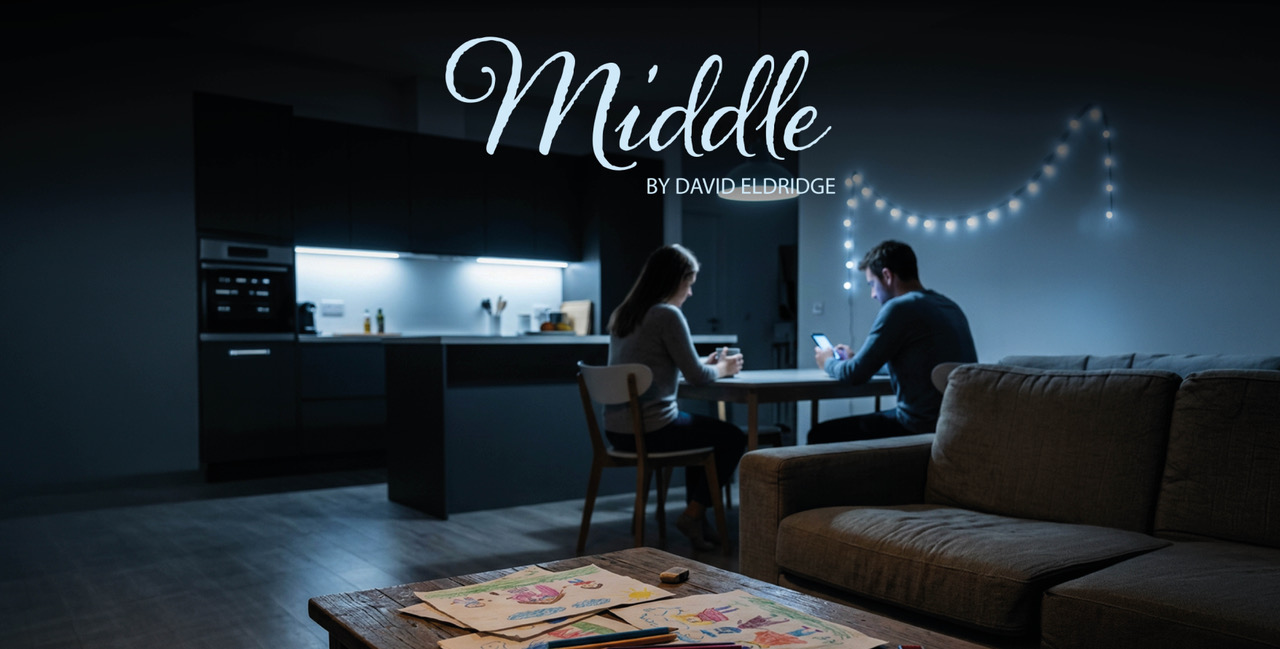
It’s 4.0 a.m. ……a couple are in the kitchen together as dawn breaks. It is time for an honest conversation – but how much honesty can any marriage take? Middle is a truthful, moving and funny portrait of a forty-something couple whose marriage hangs in the balance.
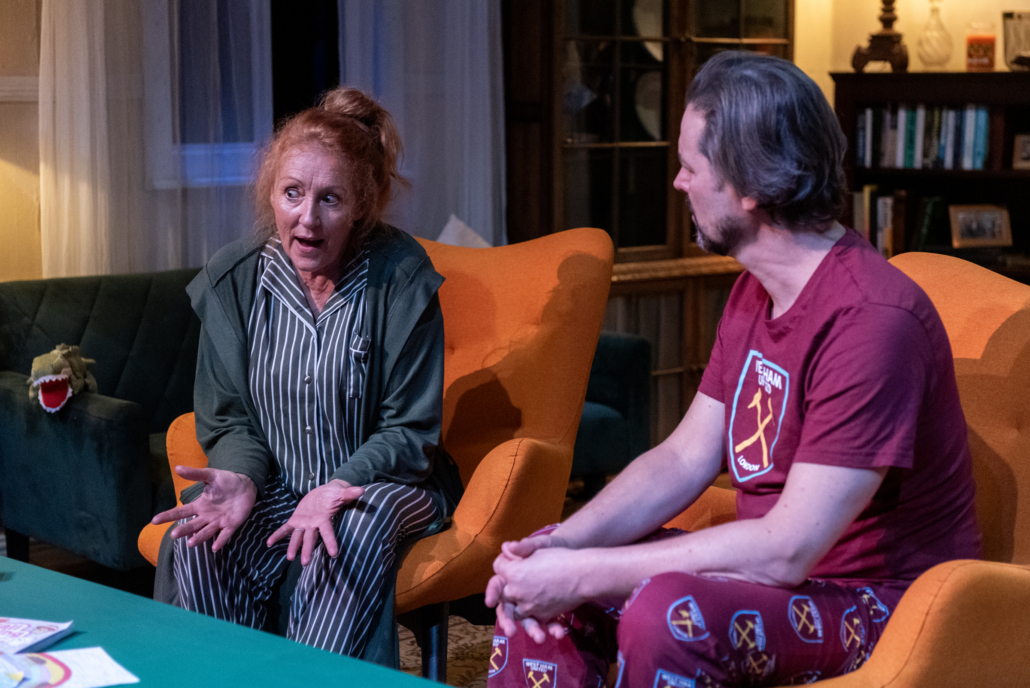
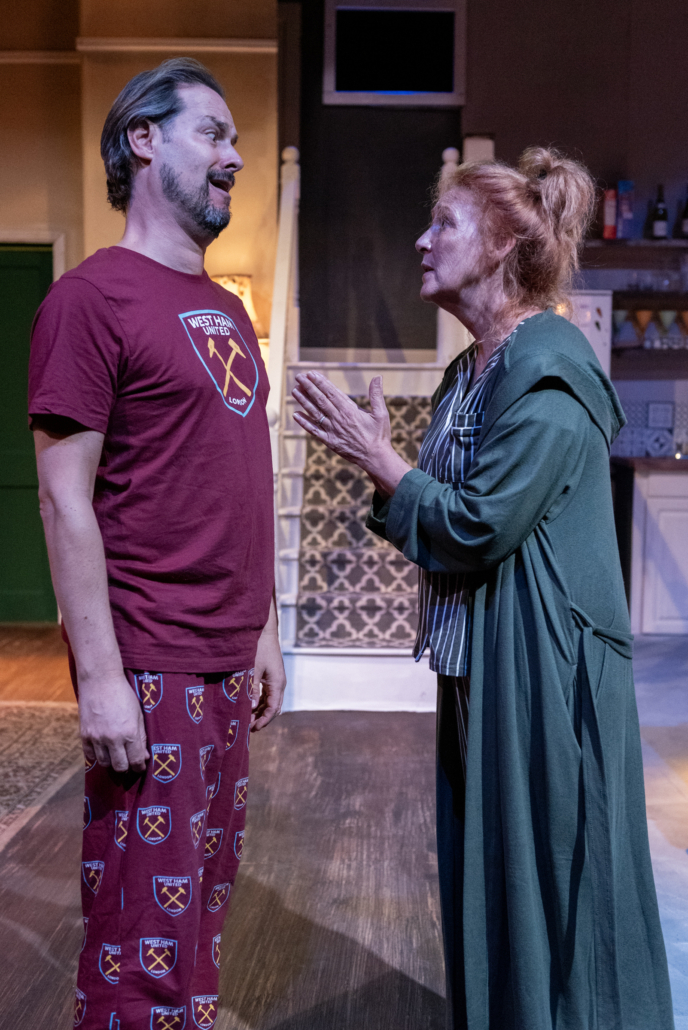
David Eldridge wrote a trilogy of plays depicting relationships and the different kinds of loneliness that exist in and out of them. They are all continuous action plays that exist in real time. In all three there’s music and dancing, some food and drink and quite a bit of tidying up. The men all support West Ham United. The plays are set a decade ago, a time when the world was calmer, but standing on the edge of disruption.
Following the huge success of staging Beginning last year, Viki Betts will again direct the second in this trilogy. Where Beginning was a couple taking steps towards their first commitment together, Middle captures the middle years of a marriage, full of reflection, familiarity and questioning. Is this what they wanted or expected from being together?
Is this the beginning of the end, or just the middle?
A non-professional production by arrangement with Nick Hern Books
Running time: 1 hour 40 minutes with no interval
Guidance: Contains mature and challenging themes and occasional strong language. Vaping.
Age guide 16+
Director's Notes
After having the pleasure of directing David Eldridge’s Beginning last year, I was asked whether Middle would be next. Part of me wondered if I should tackle something else first.
Then I was incredibly lucky to see the trilogy’s final instalment, End, at the National Theatre. As soon as the curtain came down, I turned to Sue Moore and said, ‘Yes, Middle has to be next!’
Middle shows us what can follow the romantic beginning: how love can disappear, change, or simply go unseen; how striving for what is thought to be success can make you lose sight of what is in front of you; or how believing someone else is the key to your happiness can take hold because they seem to share certain qualities.
Maggie and Gary begin to have the conversations that many couples don’t. They haven’t checked in with each other in years. Their lives are built on assumptions, compromises, and ticking boxes. Maggie has lost her sense of self through motherhood, with her ambitions put aside for domestic life. Gary, however, has taken on the responsibility of supporting them, pushing himself to the limit to provide what he believes he must.
Each believes they have made significant sacrifices, yet neither fully appreciates the other.
As with Beginning, this play unfolds within the same timeframe as the audience watches, creating an intimate experience. The natural dialogue swings from funny to cutting, from awkward to heartbreaking. It’s a rollercoaster.
I have to say a huge thank you to the small but mighty creative and technical team on this production, who have worked hard—while the theatre has been a building site!—to create the world of Maggie and Gary.
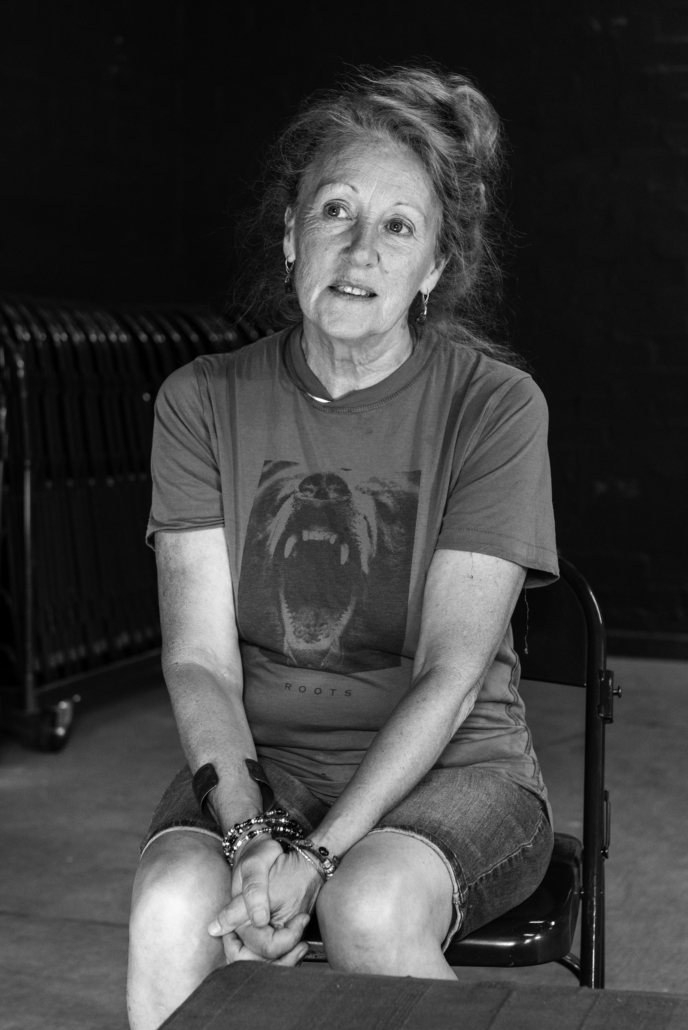
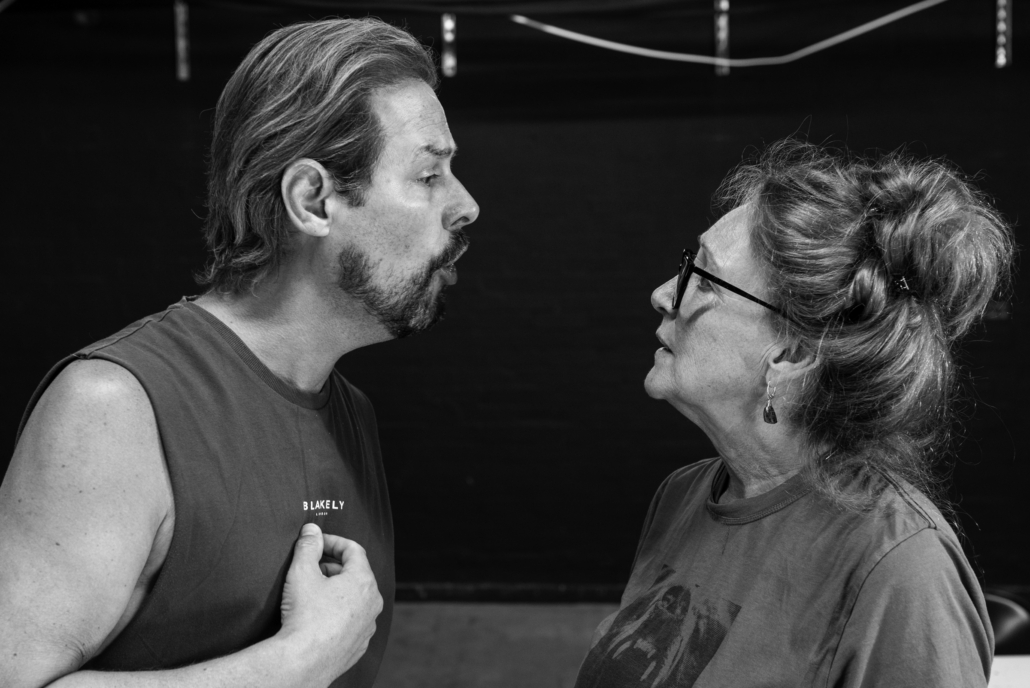
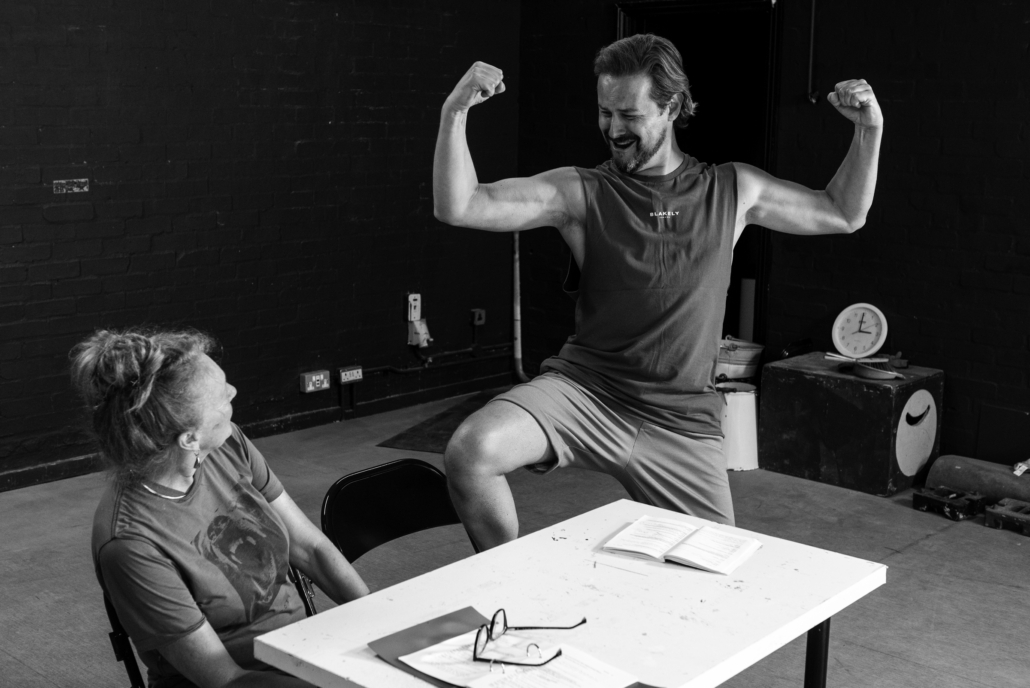
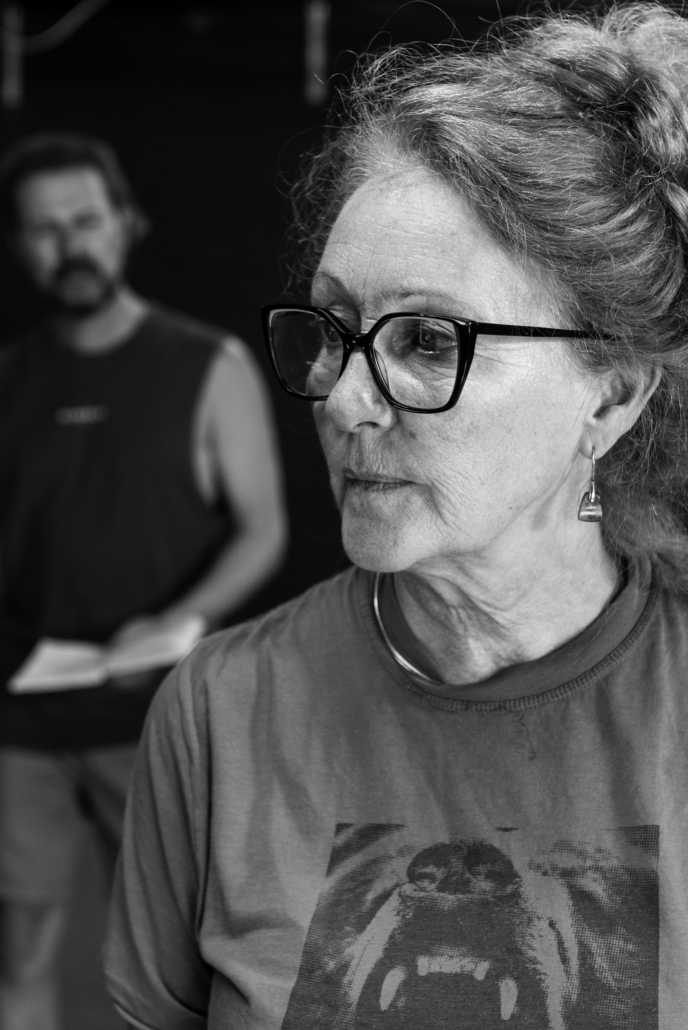
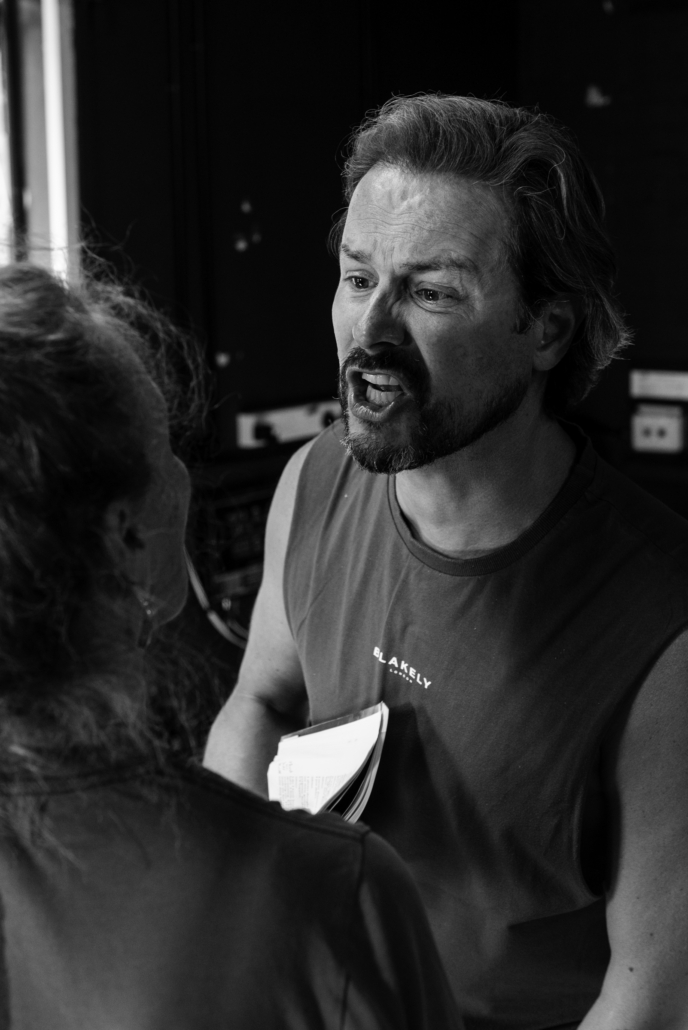
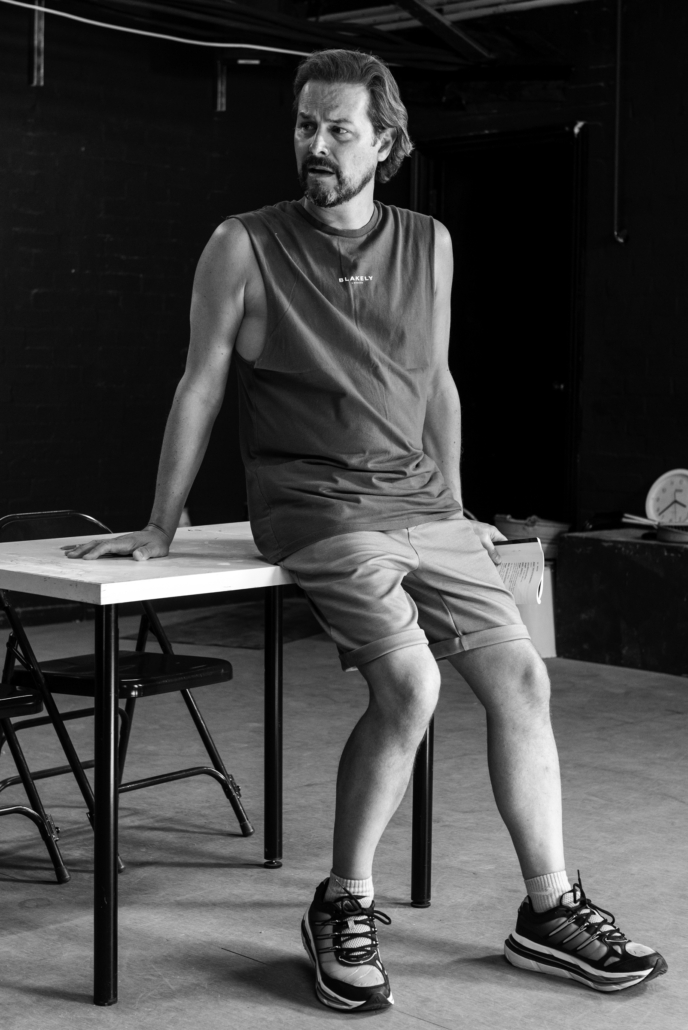
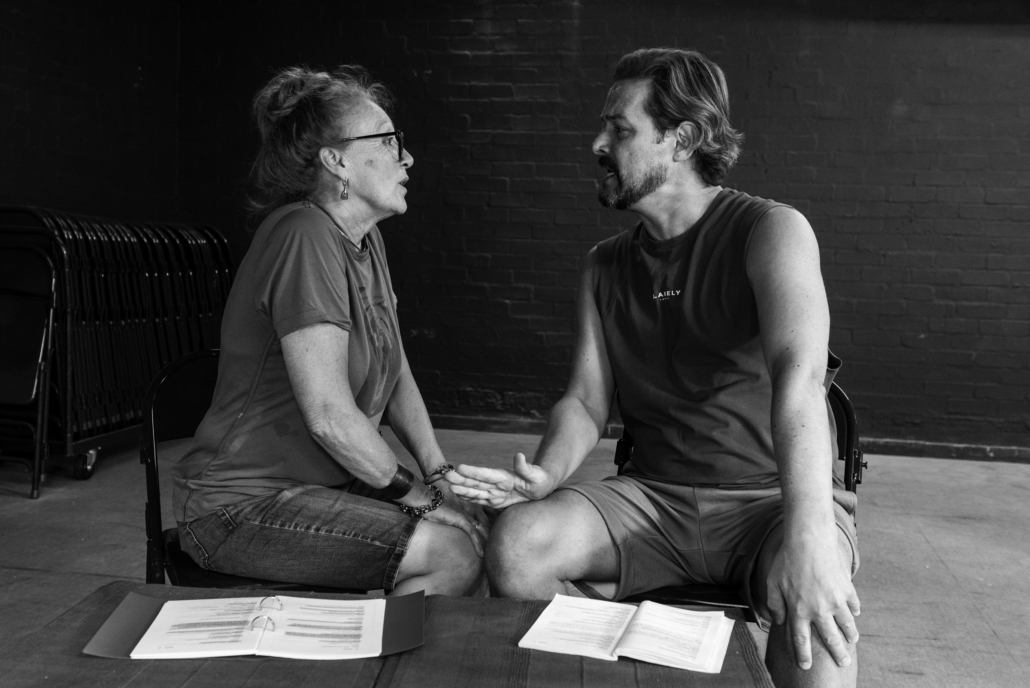
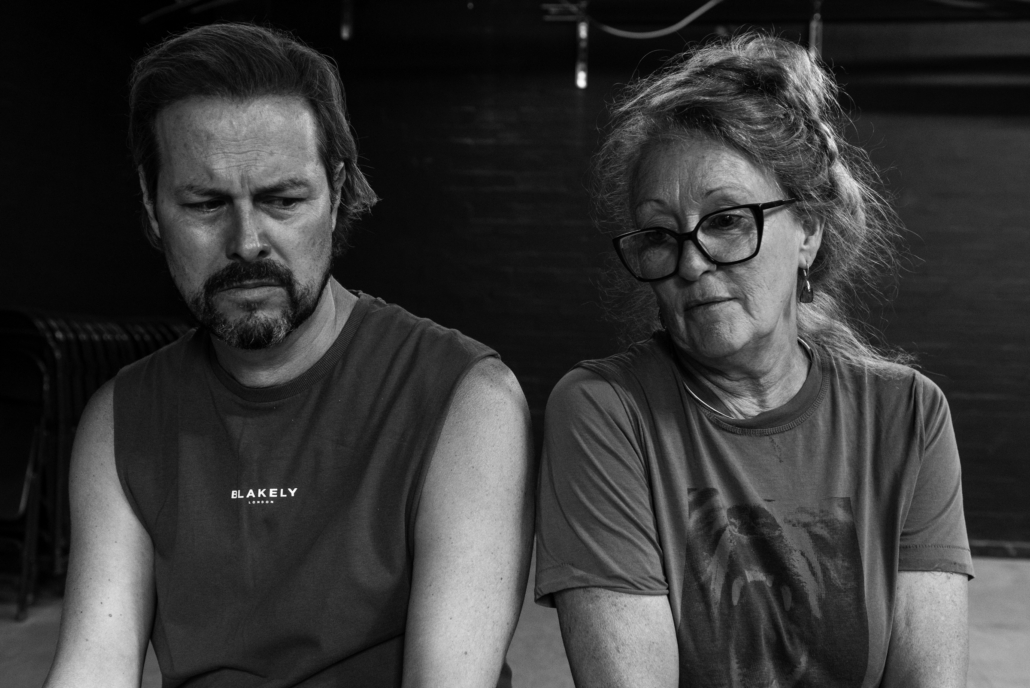
I am equally grateful to Chris and Lorna, who are two of the most generous actors I know. They have fully inhabited their characters, championing them even in our discussions about relationships, family, and the choices we make. Bringing Middle to life with them has been incredibly special.
I do hope you enjoy the Middle of this trilogy, and perhaps one day we will see End together too.
Viki Betts, Director Middle
REVIEWS
Reviews
“Middle’ review: An incredible achievement. We hang on every word…The acting doesn’t for a moment seem like acting” – Nick Le Mesurier: Warwickshire World Read Full Review
“this production holds the audience rapt. Gary, played with startling attention and overflowing emotion by Chris Gilbey-Smith and Maggie’s (Lorna Middleton) taut inner struggle” – Georgina Monk: Culture’s Coffee Read Full Review
“Middle managed to be funny, uncomfortable and tender.” – Amanda Burden: elementarywhatson Read Full Review
“Following the great success of the first of David Eldridge’s trilogy, Beginning, now comes the second, Middle, equally splendidly presented and equally compelling viewing.”
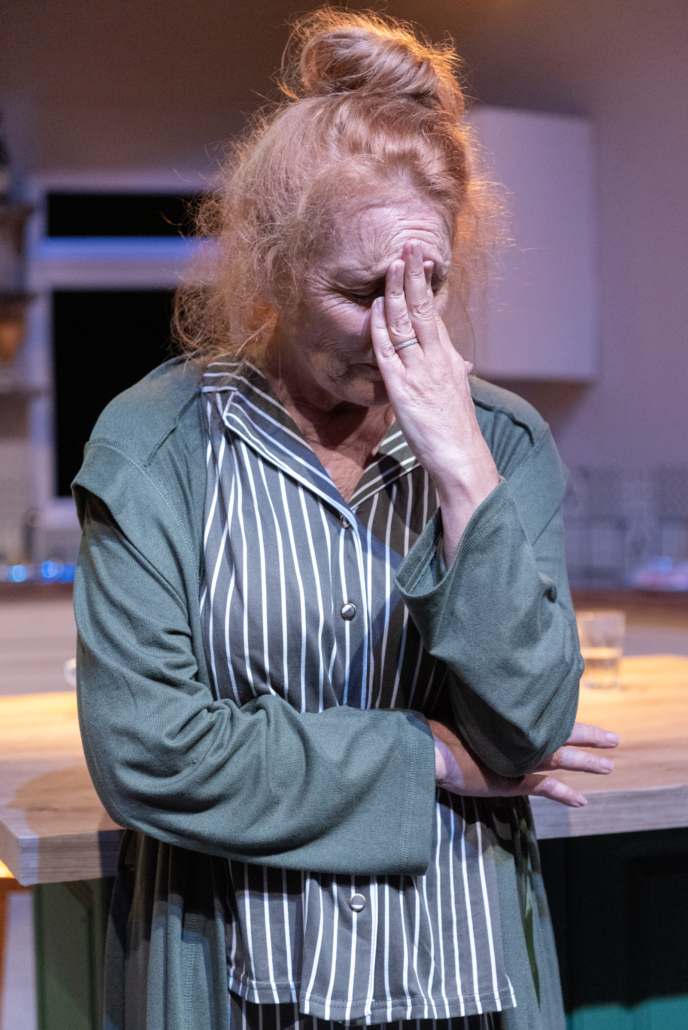
As the play opens in the middle of the night, Lorna Middleton’s Maggie comes downstairs unable to sleep. She is soon followed by Chris Gilbey‑Smith’s Gary, who evades and sidesteps her repeated requests to talk with what seems to be his habitual badinage. Eventually she tells him that she doesn’t love him any more — and this is the situation explored in the play.
There is something interminable about their unhappiness, mirrored by the hour and three‑quarters without an interval in which we witness their twists and turns as they attempt communication. Both actors are so compelling that we are drawn into what they are saying rather than how they are saying it.
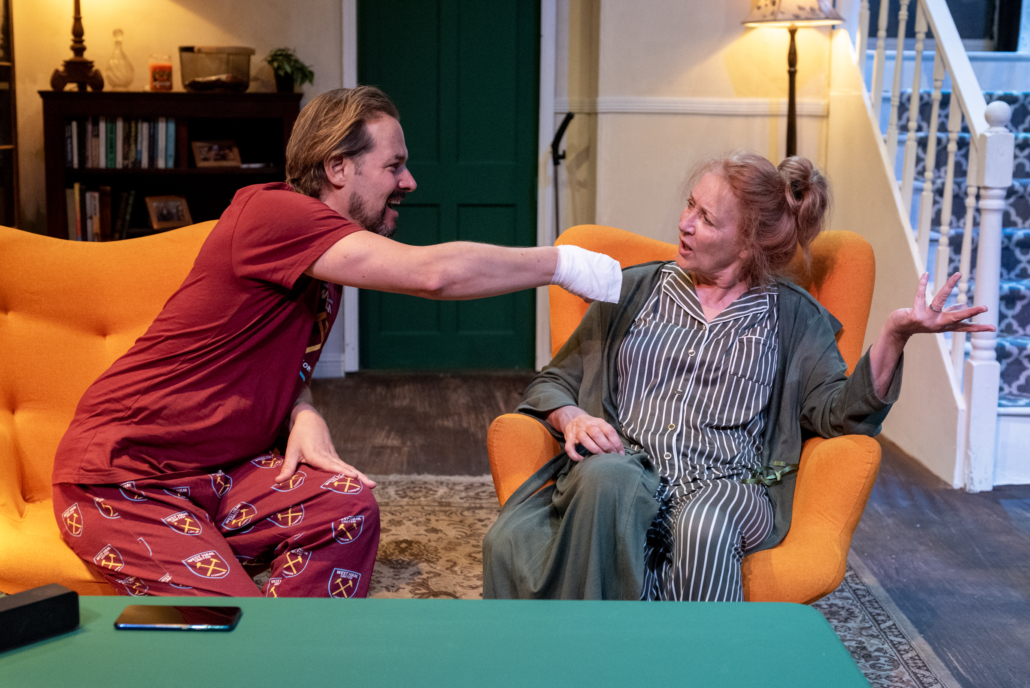
Amy Carroll’s quasi‑realistic set has a stage‑right living room and a stage‑left kitchen, and both characters move freely thanks to Viki Betts’s excellent direction. With the action taking place in real time, we follow their anguish but also have time to take stock of what we are seeing, because the most powerful moments are when neither says anything.
Such is their unwavering energy and presence that we are given time to consider what is happening inside them — and after about an hour, to try to figure out what the problem really is.
Maggie wants, and has always wanted, what she doesn’t and can’t have. She has found it impossible to tell Gary about her frustration but continues to dream of John. Gary wants Maggie, who he says is all he has ever wanted, but he is frightened to tell her about his unhappiness and exhaustion with work.
We eventually realise that Maggie can never be satisfied, and that Gary is strong enough to make changes to his life so that he can have what he wants: Maggie.
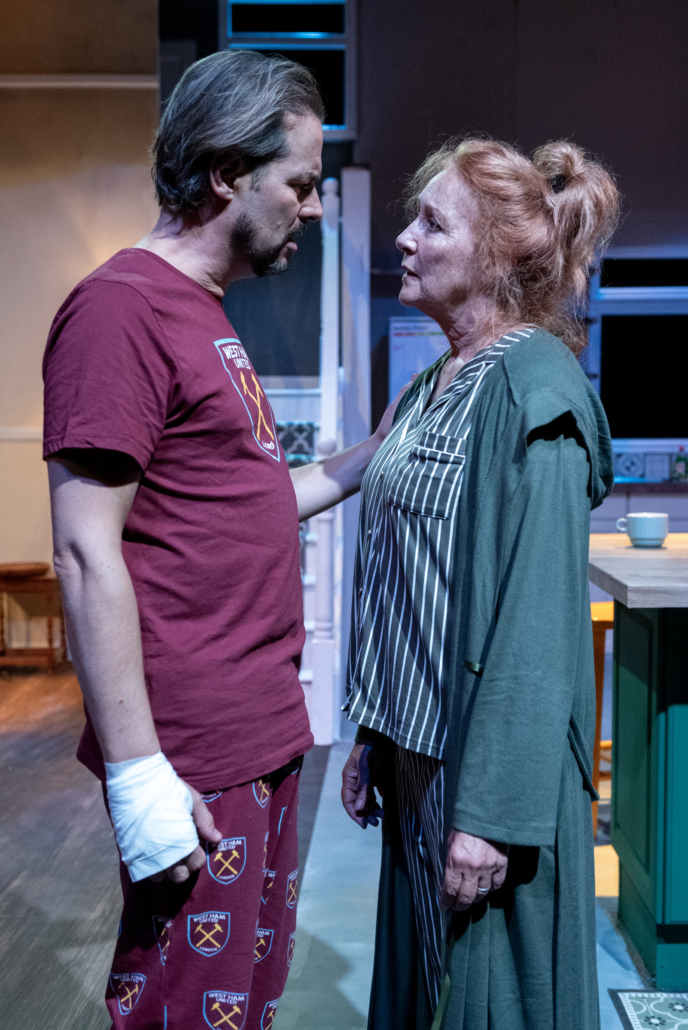
The play isn’t all chat. Gary acts out smashing crockery and considering self‑harm and suicide. He finally smashes a pane in the cabinet. They come together to clear up the mess, and Maggie bandages him, but she can’t get past physical injury to acknowledge his mental injuries. For her it is the beginning of the end, but for him “it’s the little things that get you through”.
There are many things here which allow the audience to self‑reflect. What remains, though, is the abundance of metaphor and symbolism which pervade the play: the almost empty fridge, the fragility of the glass and crockery, Maggie’s story about the VW, the spectre of daughter Annabel upstairs.
All in all, another excellent production from The Loft.
– Peter Buckroyd: Stratford Herald
CAST & CREATIVES
Cast List
PHOTOS
Photos